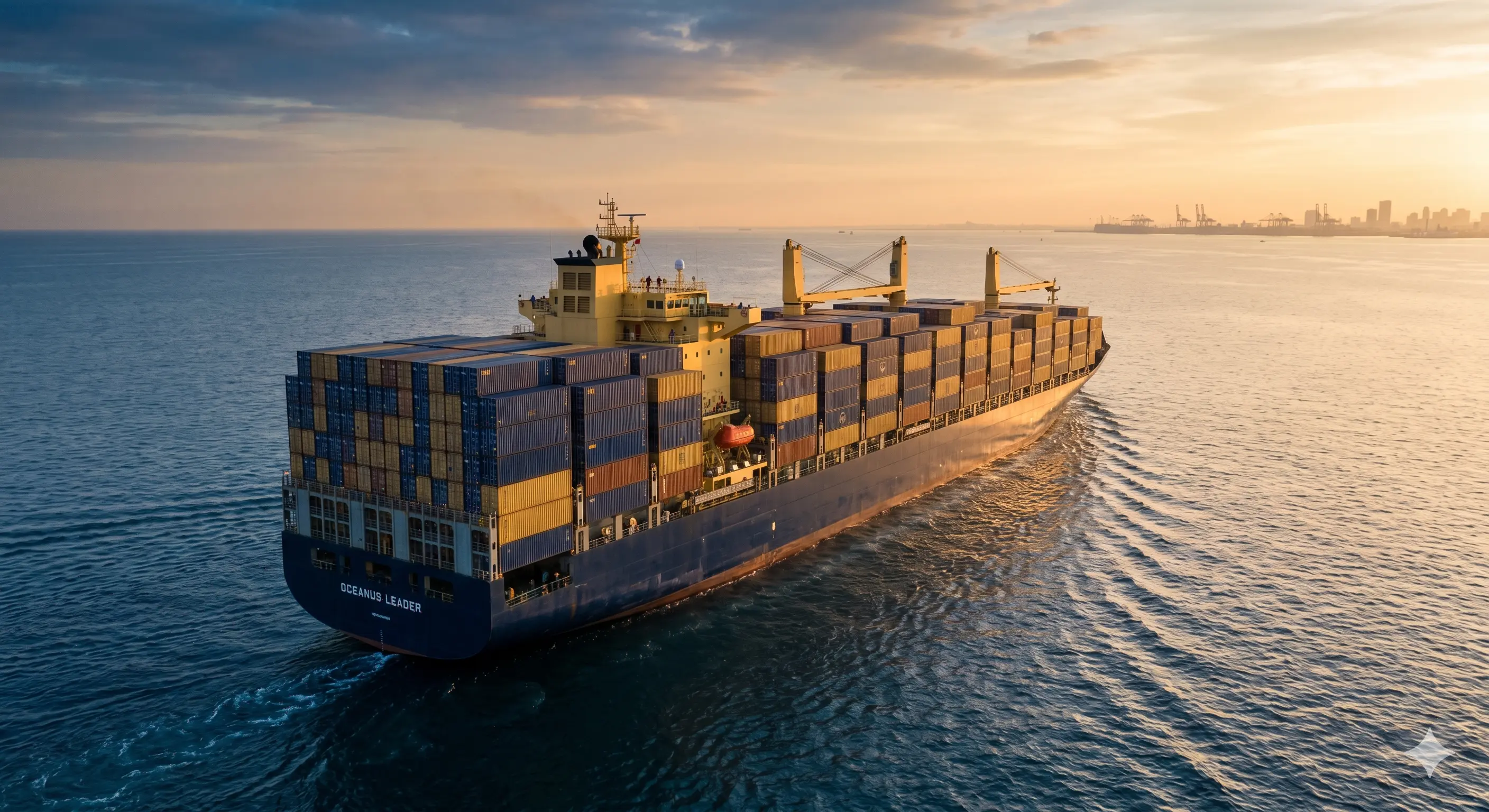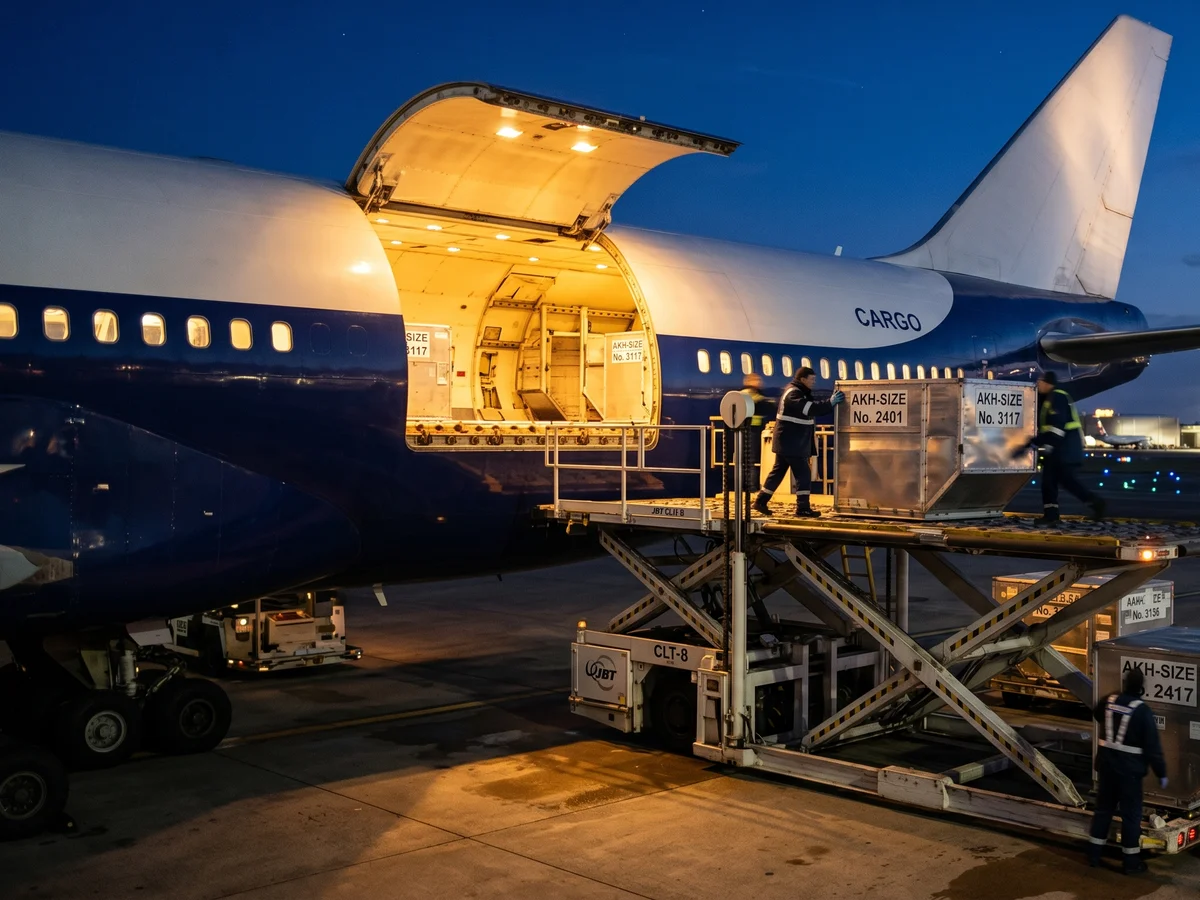
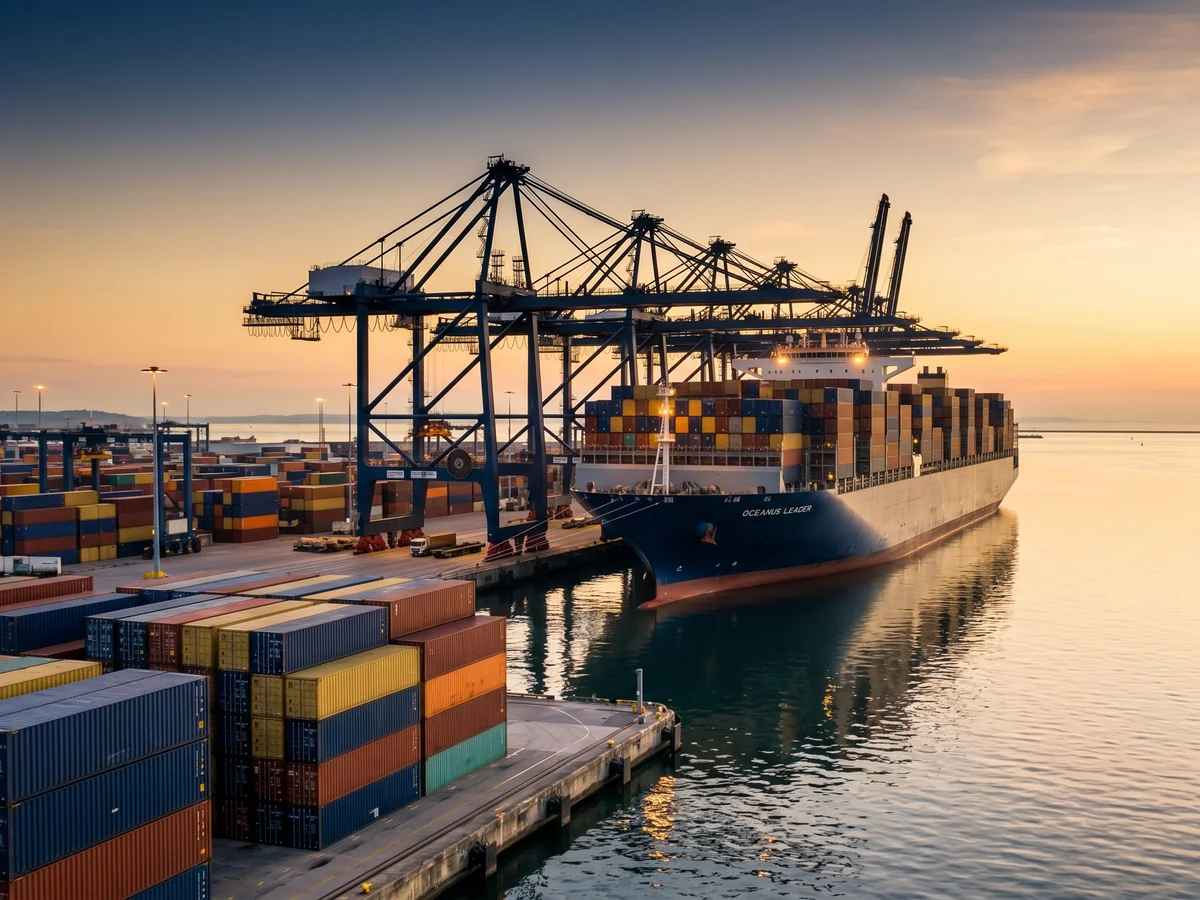
When you import or export by ocean, one of the first decisions is FCL (Full Container Load) vs LCL (Less than Container Load). The right choice can cut freight cost by 20% to 50%, but the rule “more volume = FCL” doesn’t always apply.
What each means
FCL (Full Container Load): you rent an entire container (20’, 40’, or 40’ HC) and use it exclusively for your cargo, even if it goes half empty. Charged at a flat rate per container, regardless of actual weight.
LCL (Less than Container Load): your cargo travels consolidated with other shippers’ inside the same container. Charged by m³ or by ton (whichever pays more).
Standard capacities
| Type | Usable capacity | Typical max weight |
|---|---|---|
| 20’ container | 28–32 m³ | 21–24 tons |
| 40’ container | 58–65 m³ | 26 tons |
| 40’ HC container | 68–72 m³ | 26 tons |
The most cost-effective container for medium volumes is usually the 40’ High Cube because it offers 13% more capacity than the standard 40’ at the same price.
The breakeven point
The practical rule we use in quoting:
- < 8 m³ → LCL almost always wins.
- 8–14 m³ → gray zone, depends on origin, destination, weight, and season.
- > 14 m³ → FCL almost always wins, even if you don’t fill the container.
Why this happens: LCL includes extra consolidation, deconsolidation, port handling, and CFS costs that FCL doesn’t have. Once your volume crosses a threshold, those fixed per-m³ costs exceed the savings of not renting the whole container.
When LCL ends up more expensive than expected
Common traps:
- Density charges. LCL charges per m³ or per ton, whichever is higher. If your cargo is very heavy for its volume (metal parts, marble), you pay by tonnage even if you use little space.
- Fixed origin and destination charges. LCL has minimum port fees (THC, ISPS, BL fee) charged per shipment, not per m³. For small shipments, those fixed costs represent 30–40% of the total.
- Extra time. LCL waits for the container to fill before sailing (1–2 extra weeks). If you need urgency, FCL saves that time.
- Damage risk. Your cargo travels with others’. If a consolidator handles cargo poorly, cross-damage can occur.
When FCL ends up cheaper than expected
- For regular importers, annual FCL contracts significantly lower rates.
- For fragile or high-value goods, you avoid risk and insurance drops.
- If your destination has high LCL handling fees (some Mexican ports charge heavily for deconsolidation), FCL arrives cleaner.
Numerical example
Hypothetical route Shanghai → Manzanillo, standard cargo, normal weight:
| Volume | LCL (USD approx.) | FCL 40’ HC (USD approx.) | Decision |
|---|---|---|---|
| 5 m³ | $850 | $2,400 | LCL (saves $1,550) |
| 10 m³ | $1,500 | $2,400 | LCL (saves $900) |
| 15 m³ | $2,150 | $2,400 | FCL (more space + no consolidation risk) |
| 25 m³ | $3,400 | $2,400 | FCL (saves $1,000) |
| 60 m³ | (n/a) | $2,400 | FCL filling the container |
Indicative rates — vary by season, carrier, and BAF.
Practical recommendation
When in doubt, ask your forwarder for a parallel quote in LCL and FCL for the same shipment. This service should take 24 hours and lets you decide with real numbers for your specific route and season.
And always consider the total shipment cost (freight + origin charges + destination charges + time + risk), not just the standalone ocean freight.
At TradeWay
We quote LCL and FCL in parallel when you’re near the breakeven point so you decide with data. If you have an ocean operation in mind, request a quote — we respond in under 24 business hours with the comparison.