Home / Blog
65 articles published
Foreign trade, explained.
Practical guides on forwarding, customs clearance, incentive programs and logistics operations — written by the team that runs them every day.
Type at least 2 characters

Latest
Latest articles
 Compliance
 October 12, 2026
Customs value in Mexico: what gets added to the invoice price, and what comes off
Your invoice is not your duty base. Which costs Mexican customs adds to the price to reach the customs value (incrementables), which ones can be deducted (decrementables), how the Incoterm changes the math, and a worked example.
Read →
 Operations
 October 12, 2026
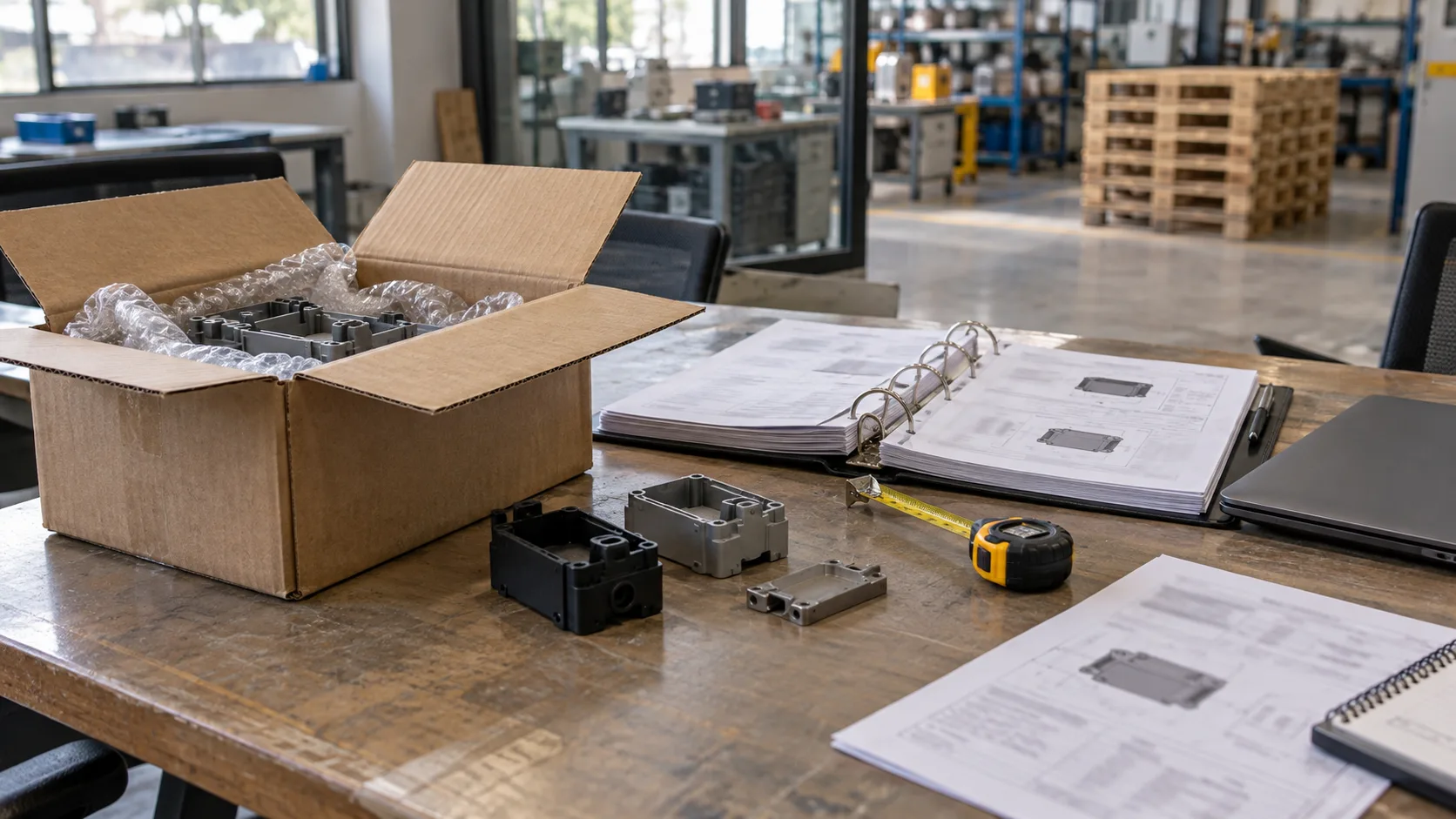
Your first customer outside Mexico: what they'll ask before placing an order
Before the purchase order, a foreign buyer sends questions: price with an Incoterm, HS code, origin, packaging, supplier onboarding and payment terms. What a Mexican exporter will be asked, and how to have the answers ready.
Read →
 Routes
 October 12, 2026
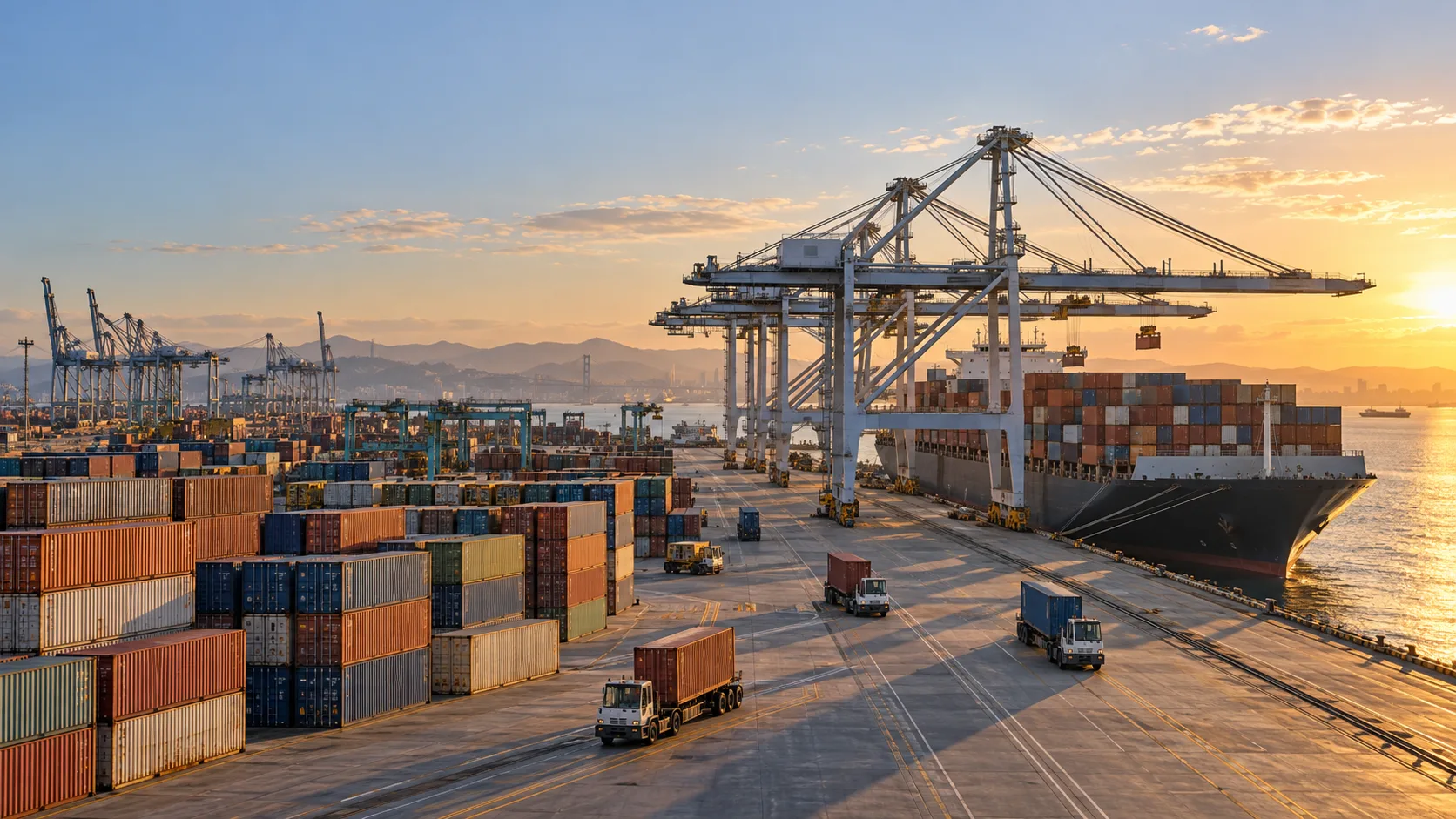
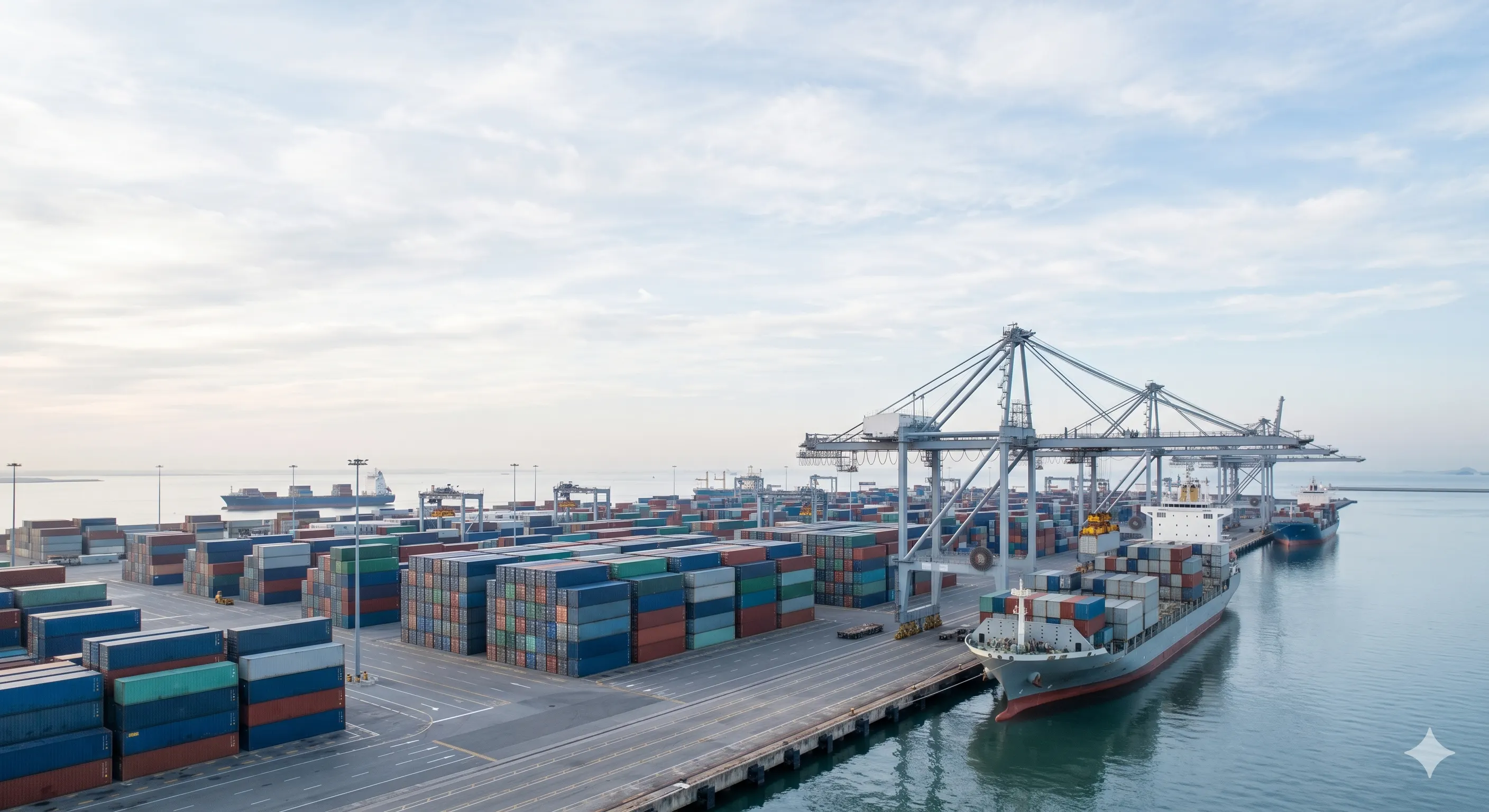
Manzanillo, Lázaro Cárdenas, Veracruz or Altamira: which Mexican port your container should arrive at
The four ports that handle nearly all of Mexico's containers, which routes each one serves, and how to choose by origin, final destination, rail and season. Plus a quick map of where Mexico's imports come in.
Read →
Category
Compliance
24 articles
Compliance October 12, 2026
Customs value in Mexico: what gets added to the invoice price, and what comes off
Your invoice is not your duty base. Which costs Mexican customs adds to the price to reach the customs value (incrementables), which ones can be deducted (decrementables), how the Incoterm changes the math, and a worked example.
Read →
 Compliance
 October 5, 2026
COFEPRIS, SEMARNAT and SEDENA permits: when your import into Mexico needs one
Health, environment and defense authorities also decide what enters Mexico. Which kinds of goods tend to fall under each agency, how to check whether your tariff code requires a permit, when to apply and what happens if cargo arrives without one.
Read →
 Compliance
 October 1, 2026
NOM product standards vs NOM labeling: the difference that decides whether a sticker saves your cargo
One is fixed by applying labels; the other can't be fixed at the border at all. How to tell them apart, how to find out which one your tariff line triggers before you buy, and the four ways to comply with labeling.
Read →
 Compliance
 September 21, 2026
Mexico's 2027 customs reform: the initiative that removes the 50% undervaluation margin
Alongside Mexico's 2027 Economic Package, a Customs Law reform went to Congress: seizure on any value gap against identical or similar goods, an infraction presumption from 20%, and mandatory verification. What would change and what to review now.
Read →
 Compliance
 September 15, 2026
Registering on Mexico's Importer Registry: the requirements that actually stop you
The application is free, online and resolved in business days. What stops it is almost never the form: it's the tax address, the compliance opinion or shareholders never updated. What to have ready before you apply.
Read →
 Compliance
 September 3, 2026
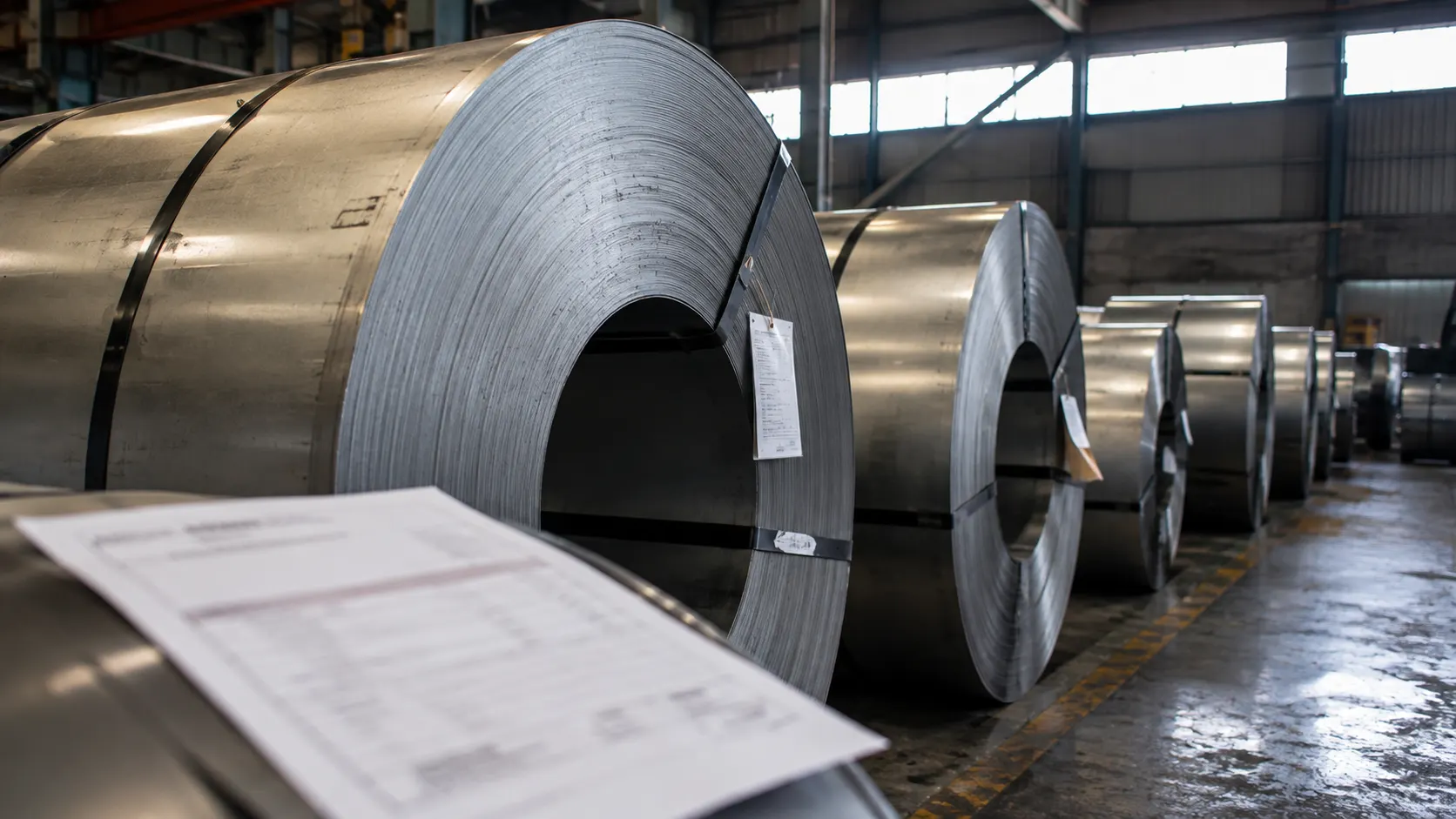
Steel and aluminum: Mexican customs now asks where your metal was melted
The automatic import notice for aluminum landed in 2026 and the steel one tightened: mill certificates with a verifiable QR code, wet signature, and an explicit split between country of melt and country of transformation. What to demand from your supplier before shipping.
Read →
 Compliance
 September 1, 2026
Mexico's Customs Law Regulations changed too: what moved in the fine print
All the attention went to the Customs Law reform, but the Regulations were amended separately — and that's where the operational detail lives: digital requirements to operate at all, prevalidation duties, the customs agency as a regulated party, and more grounds to reject declared value.
Read →
 Compliance
 August 26, 2026
Mexico's electronic value declaration starts October 1: what you transmit, what you don't
The same resolution that postponed the MVE brought documentary relief through December 31, 2026: not everything gets transmitted, and contracts can be summarized. What each relief means and what to have ready before October.
Read →
 Compliance
 August 22, 2026
Why your Mexican customs broker wants photos of your warehouse (rule 1.4.14)
Articles of incorporation, proof of address, photos of the façade, machinery, staff and vehicles. It isn't overreach: it's rule 1.4.14 of Mexico's 2026 General Foreign Trade Rules. What it requires, what it's for, how often it's refreshed, and what happens if you don't hand it over.
Read →
 Compliance
 August 18, 2026
Mexico's 2026 Customs Law reform: what changed for you, not for your broker
It was read as a customs broker reform. In practice the weight lands on the importer: documentary support proving real economic substance, real-time traceability, shorter bonded-warehouse deadlines and guarantees that don't get released. What to review in your operation.
Read →
 Compliance
 August 4, 2026
Amending a pedimento: how a wrong field gets corrected and when it no longer can be
A pedimento with an error isn't edited — it's replaced by an amendment. What can be corrected, what it costs to do it late, and why catching it yourself is always cheaper.
Read →
 Compliance
 July 27, 2026
How to read a Mexican pedimento: what each block means and what to verify
The pedimento is the tax declaration behind your import and the first document you will be asked for in an audit. What each block says, what to check before filing it away and how to correct it.
Read →
 Compliance
 July 24, 2026
PAMA and precautionary seizure: what happens when Mexican customs holds your cargo
When the authority finds an irregularity it can seize goods precautionarily and open a PAMA. What the procedure is, what deadlines run, what it costs in parallel and how to prevent it.
Read →
 Compliance
 July 20, 2026
Customs broker authorization in Mexico: what you sign when you hand over your operation
The encargo conferido is the electronic authorization an importer grants a customs broker to clear goods on its behalf. What it means, what liability you keep and how to revoke it.
Read →
 Compliance
 July 14, 2026
Mexico import permits and automatic notices: when you need them and how to keep cargo moving
Prior permits, automatic notices and automatic permits are different requirements. Learn how to identify the one tied to your tariff code before customs clearance.
Read →
 Compliance
 July 14, 2026
Mexico importer registry suspension: causes, reactivation and how to prevent it
A suspension from Mexico's Importer Registry can stop customs clearance and add storage costs. Learn common causes, how to reactivate it and how to prevent another interruption.
Read →
 Compliance
 June 15, 2026
Sector-specific importer registry: why your general registry isn't enough
Being on Mexico's Importer Registry isn't enough if your goods are in Annex 10: steel, textiles, footwear and chemicals require a separate sector registry. What it is, which sectors it covers, and why a suspension freezes your container.
Read →
 Compliance
 June 8, 2026
Tariffs on China and non-FTA countries: what changed in 2026 and how it hits you
Since January 1, 2026 Mexico applies tariffs of up to 50% on 1,463 tariff lines of goods from countries without a free trade agreement. What changed, which sectors it hits, and how origin and USMCA can shield your cost.
Read →
 Compliance
 June 5, 2026
Countervailing and antidumping duties: the hidden cost that can double your import (especially from China)
A countervailing duty is an extra charge against unfair trade practices that can multiply the cost of importing. What they are, how to know if your tariff code has one in force, why they hit China sourcing so hard, and how they affect cost.
Read →
 Compliance
 June 5, 2026
Undervaluation: why declaring a low customs value backfires badly (and how the SAT catches it)
Declaring a lower customs value than the real one is one of the SAT's priority enforcement targets. How it's detected, what precautionary seizure and PAMA are, what estimated prices mean, and how to make your declared value hold up.
Read →
 Compliance
 May 27, 2026
Electronic customs value declaration: postponed to October 1, 2026 — what to do now
Mexico's MVE was postponed again: it becomes mandatory via VUCEM on October 1, 2026 (fourth extension, published July 31). What it is, who's responsible, how customs value is determined, and what to do with the extra time.
Read →
 Compliance
 May 26, 2026
The tariff code: the number that sets how much you pay, what permits you need, and whether you get in
How goods are classified under Mexico's TIGIE, what the tariff line and NICO define, and why a wrong classification is the #1 cause of fines and held cargo.
Read →
 Compliance
 May 19, 2026
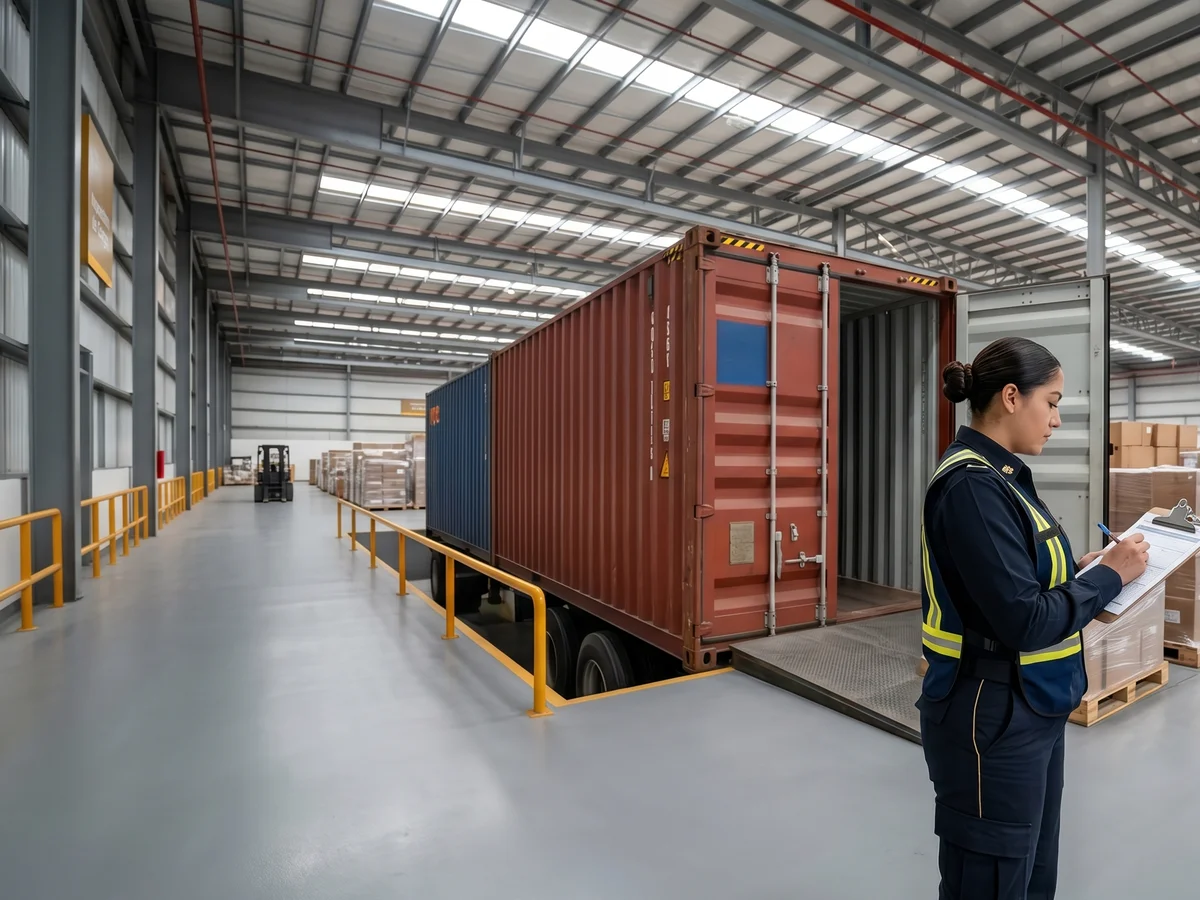
Mexican labeling NOMs for importers: 051, 003, 004 and the ones people forget
Mexico's Official Standards (NOMs) for labeling are the #1 cause of goods getting held at customs. Here's which NOM applies to your product, how customs verifies compliance, and what happens if you arrive mislabeled.
Read →
 Compliance
 April 30, 2026
Importing into Mexico without an importer registry: how an importer-of-record works
If your company wants to import but is not registered in Mexico's importer registry, an importer-of-record (IOR) solves the problem. Here's how it works and when it makes sense.
Read →
Category
Operations
21 articles
Operations October 12, 2026
Your first customer outside Mexico: what they'll ask before placing an order
Before the purchase order, a foreign buyer sends questions: price with an Incoterm, HS code, origin, packaging, supplier onboarding and payment terms. What a Mexican exporter will be asked, and how to have the answers ready.
Read →
 Operations
 October 5, 2026
Glosa, amendment and complementary pedimento: what each one is and which applies to you
Three post-clearance procedures in Mexican customs that get mixed up all the time. Who starts each one, what it's for, what risk it carries, and how to tell which one your situation calls for.
Read →
 Operations
 September 30, 2026
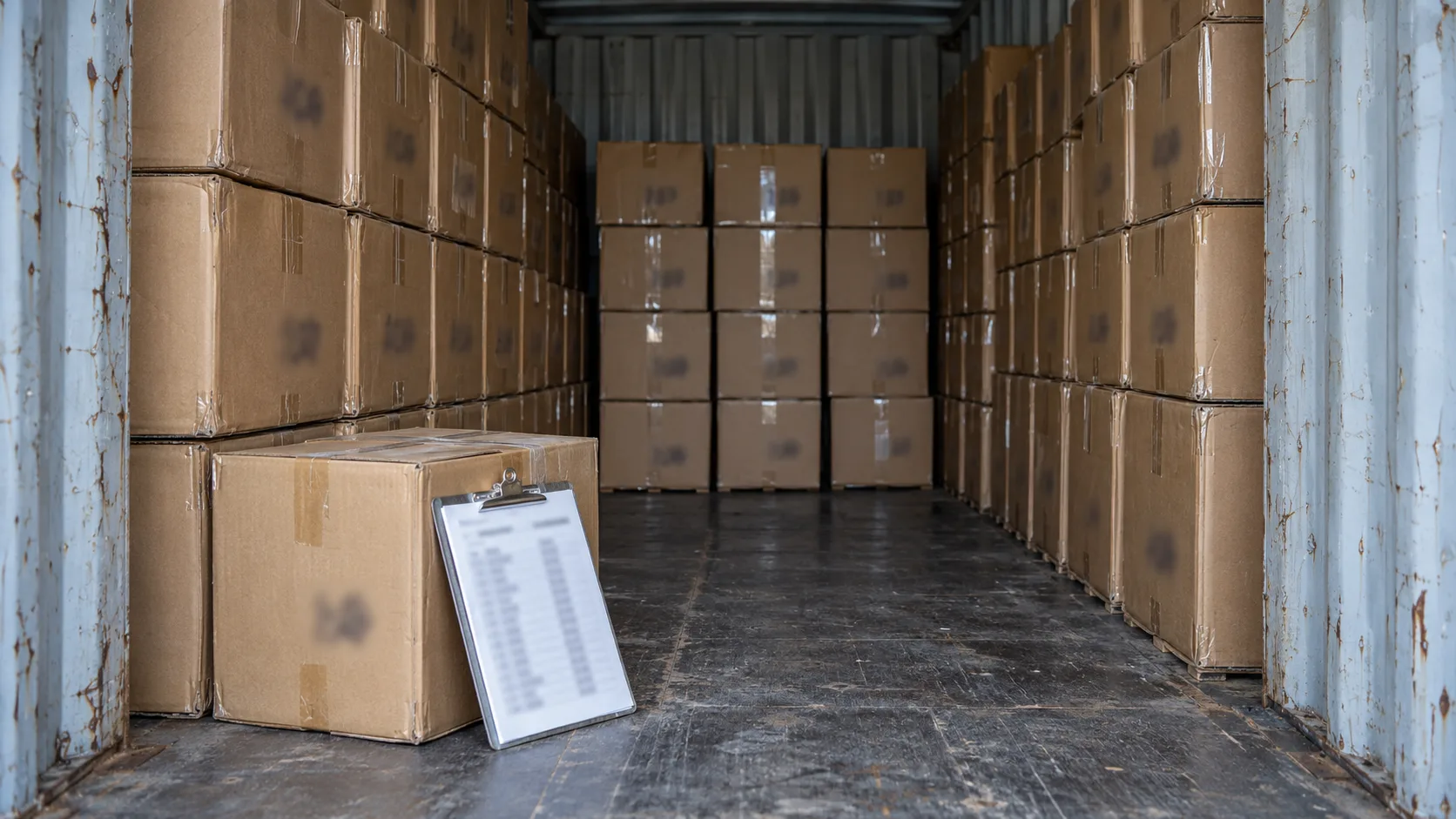
The packing list: the boring document that decides how fast you clear inspection
Nobody reviews the packing list until an officer opens the container. What it must contain, how it's cross-checked against invoice and B/L, why weights and package counts matter more than they look, and the format that avoids questions.
Read →
 Operations
 September 29, 2026
How to read a Bill of Lading: the one document that decides who takes your cargo
The B/L doesn't describe your goods — it controls them. What every field means, original versus telex release, why the consignee must match your Mexican tax ID, and what to check on the draft before it's issued.
Read →
 Operations
 September 22, 2026
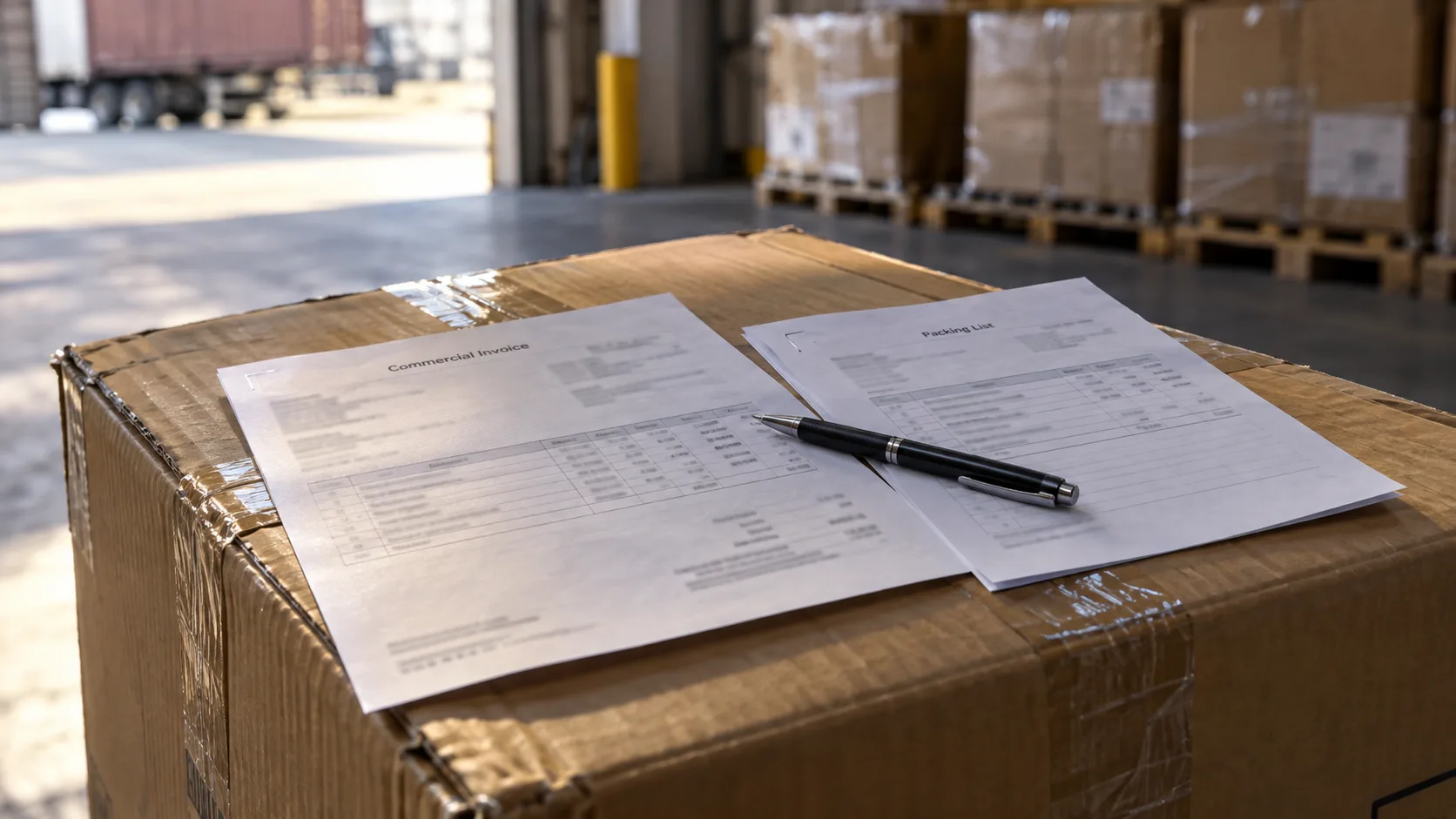
What your commercial invoice must include to import into Mexico (and what the law doesn't ask for but customs needs)
Your supplier issues the invoice, but you answer for it. The minimum data Mexico's rules require, what isn't mandatory but supports your customs value, where suppliers go wrong, and a checklist to send them before shipment.
Read →
 Operations
 September 16, 2026
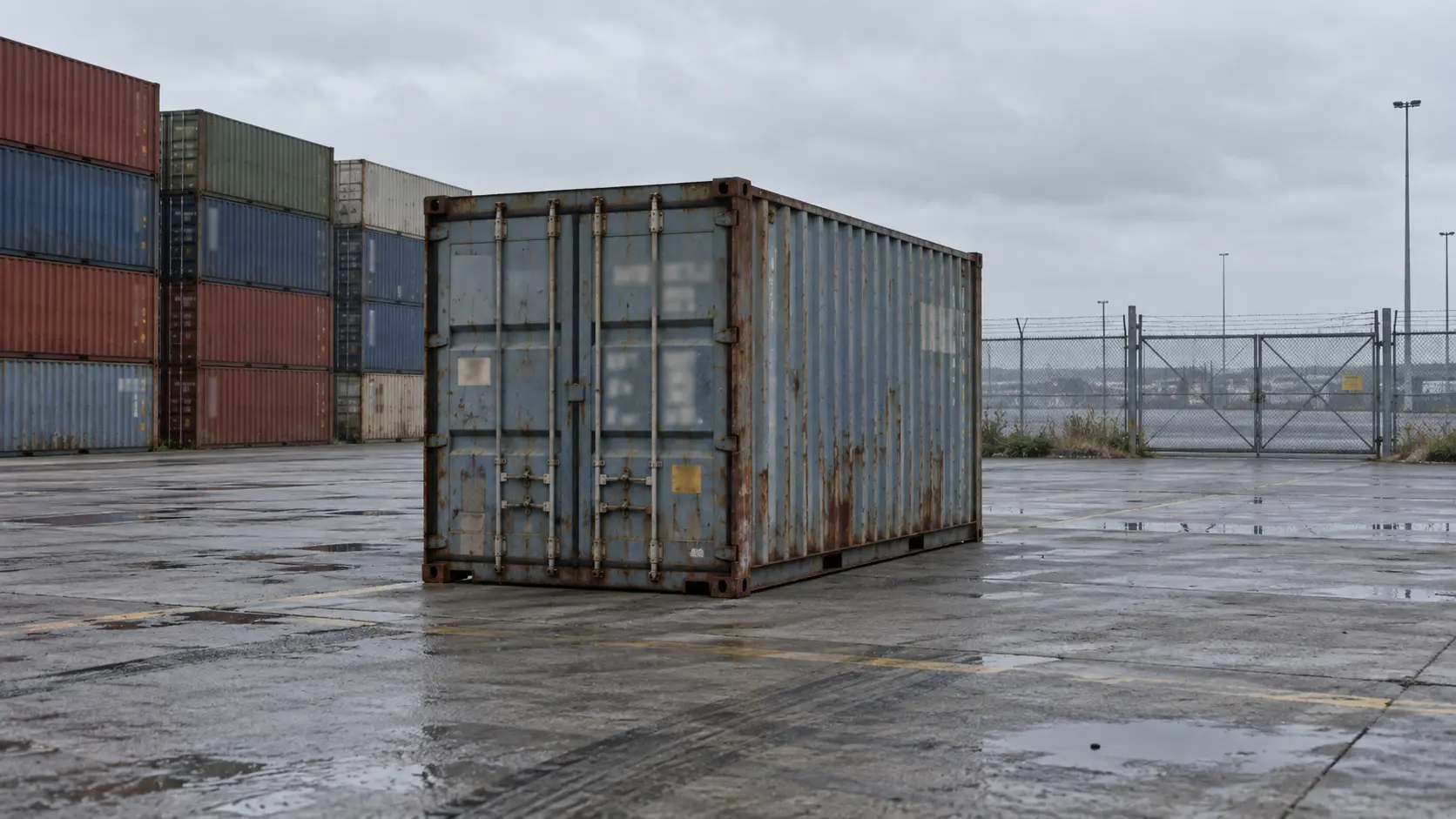
Your goods are held at Mexican customs: how to find out why, and what to do
Held doesn't mean seized. The causes differ, so do the deadlines, and each one has a different way out. How to identify which case you're in, what keeps running meanwhile, and what to do in the first hours.
Read →
 Operations
 September 14, 2026
The seven pedimento fields that go wrong most often (and what each mistake costs)
Knowing how to read a Mexican customs entry isn't the same as knowing where it's usually wrong. The fields that get amended most, what each error triggers, and why correcting before the authority asks changes the price.
Read →
 Operations
 August 12, 2026
The import file: what each document does and which one stops the shipment
Commercial invoice, packing list, bill of lading or air waybill, certificate of origin, permits, customs authorization and the pedimento. Who issues each document, what it proves, and exactly what happens when it's missing or doesn't match.
Read →
 Operations
 August 10, 2026
Landed cost: why importing always costs more than the quote
The supplier price is one line out of twelve. What makes up landed cost, which items are real cost and which are only cash flow, and how to allocate them so you know what each unit actually costs on your floor.
Read →
 Operations
 August 6, 2026
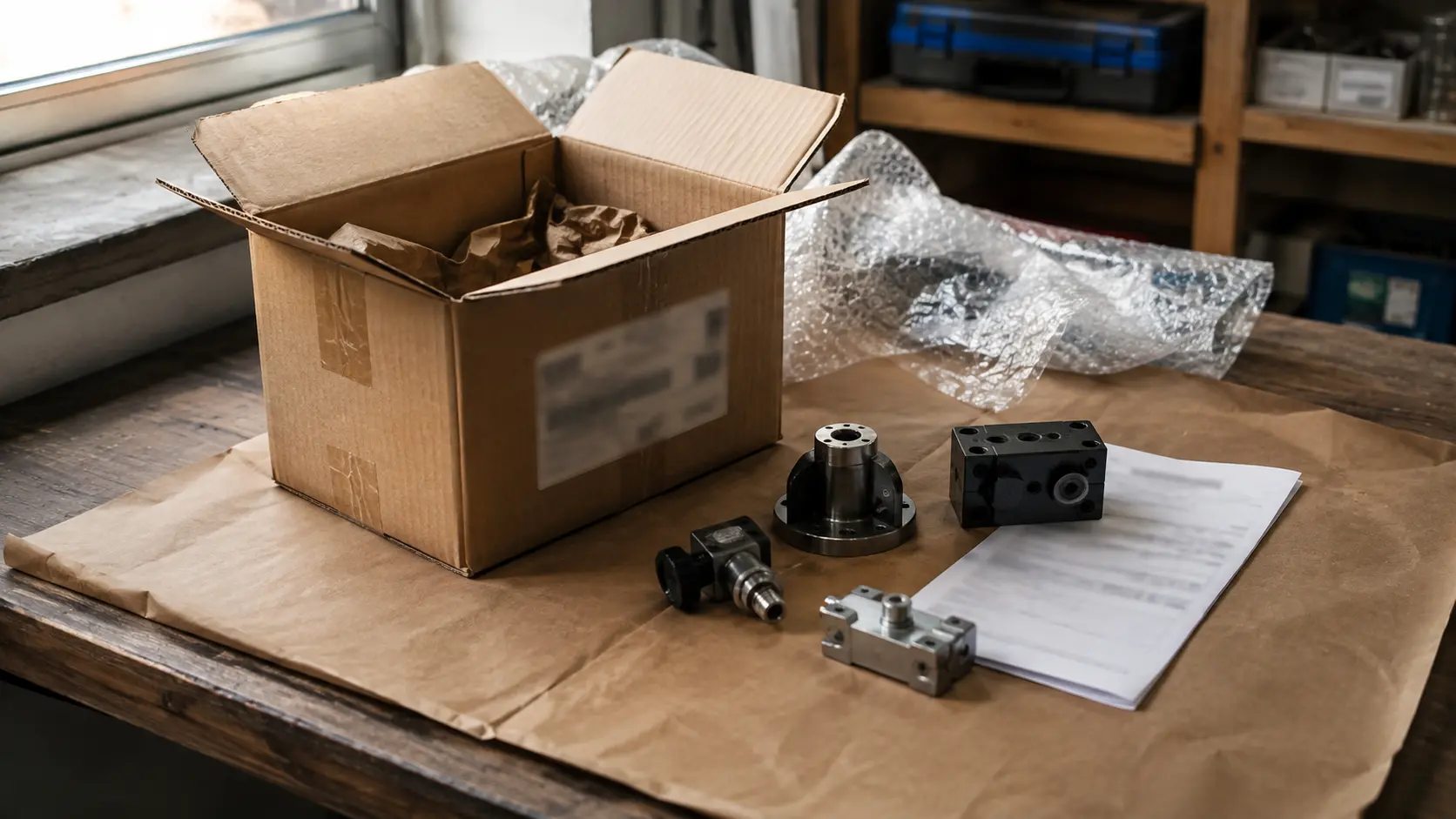
Samples and goods of "no commercial value": why that phrase exempts you from nothing
Declaring a sample as "no commercial value" doesn't make it free or keep it off the entry. What a sample is to Mexican customs, how it gets a value, and where sample shipments get stuck.
Read →
 Operations
 July 29, 2026
Exporting from Mexico: steps, documents and what changes versus importing
Exporting faces less friction at Mexican customs than importing, and more at the destination. What you need, which documents are issued, how the 0% VAT rate works and where first shipments get stuck.
Read →
 Operations
 July 22, 2026
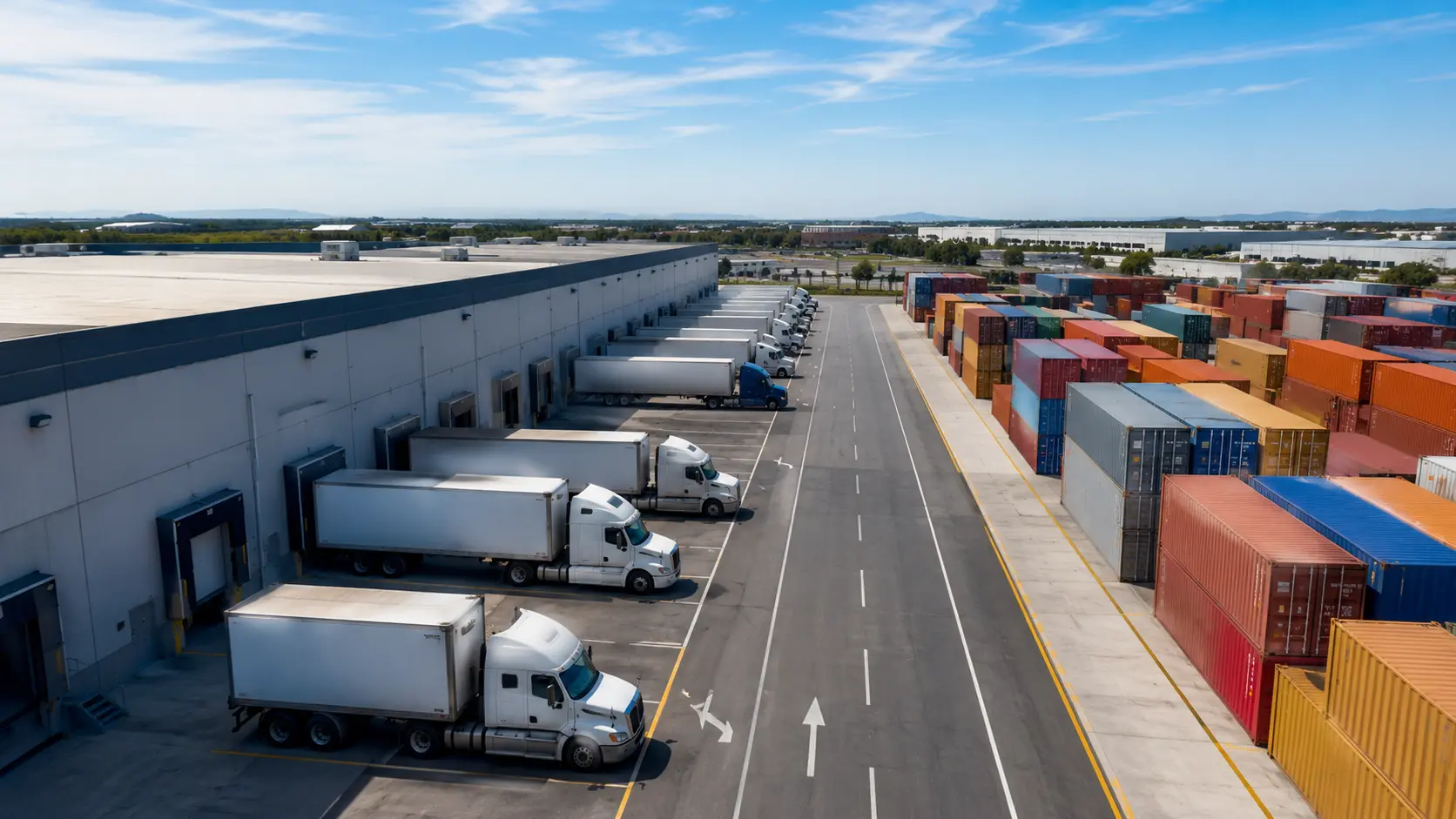
Customs broker, freight forwarder and 3PL: who does what and where the chain breaks
Most import delays come from the gaps between providers, not from customs. What each role covers, where responsibility falls through, and what changes when one provider coordinates everything.
Read →
 Operations
 July 14, 2026
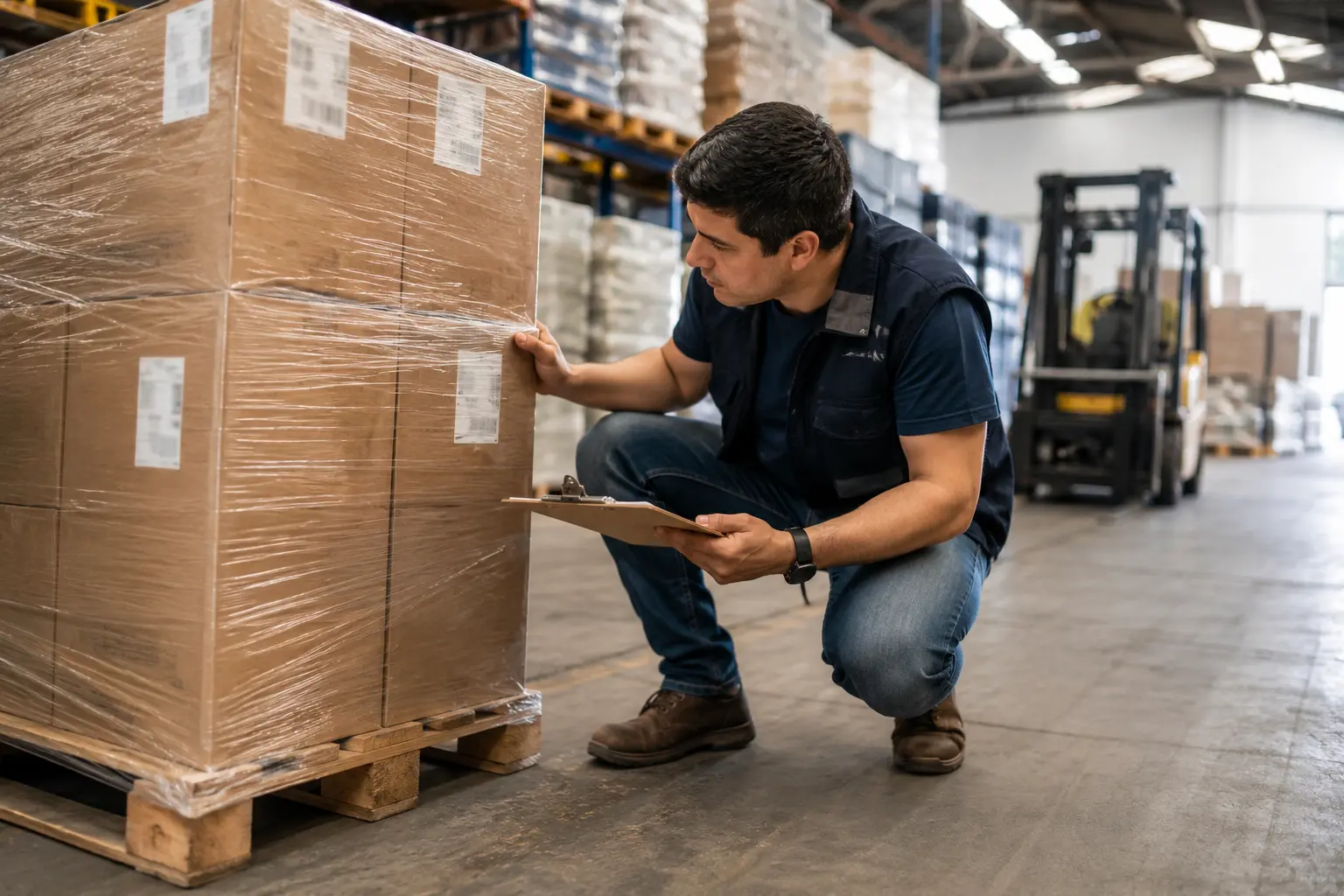
International cargo insurance: what it covers, what it excludes and the cost of going without it
Cargo insurance is not the same as carrier liability. Learn about coverage, exclusions, insured value and what to do if goods are damaged in transit.
Read →
 Operations
 July 6, 2026
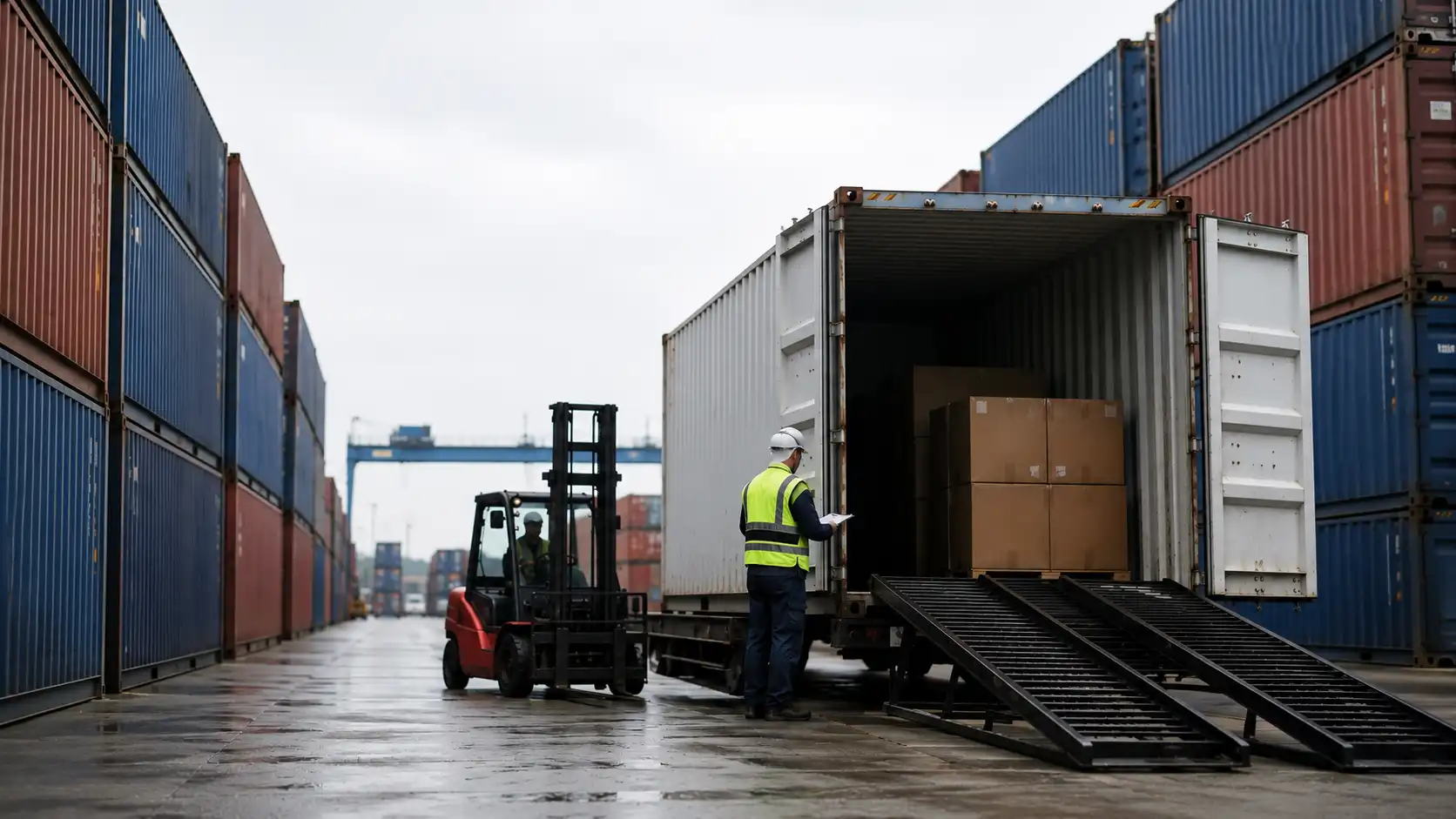
Customs inspection in Mexico: the traffic-light system and why your cargo goes red
When you file the customs entry, an automated mechanism decides whether your goods clear freely (green) or go to inspection (red). What customs checks in a red-lane inspection, what happens if there's a discrepancy, and how to lower your odds of going red.
Read →
 Operations
 July 6, 2026
Import taxes in Mexico: IGI, DTA, VAT and prevalidation (what you actually pay)
Importing isn't just paying the tariff. The customs entry also adds the IGI, the DTA, VAT, prevalidation and sometimes IEPS or antidumping duties. We break down each item and how the real cost of your operation is calculated.
Read →
 Operations
 June 15, 2026
VUCEM: the single window and why your operation is already 100% digital
Mexico's VUCEM single window centralizes permits, certificates and invoices (COVE) on one platform linked to your customs entry. What it is, how the e-document and e-signature work, and why a badly digitized document stops your clearance.
Read →
 Operations
 June 8, 2026
Carta Porte 3.1: what it is, who issues it, and the penalties for getting it wrong
Mexico's Carta Porte 3.1 complement is the only valid version and mandatory since July 2024. What it covers, who must issue it, how it cross-checks against your import entry, and the SAT penalties for errors.
Read →
 Operations
 May 27, 2026
Demurrage, detention and storage: the hidden costs that eat your import margin
What each charge is, when the clock starts, how many free days you get, and the five real reasons a container racks up thousands of dollars in extra charges.
Read →
Operations May 18, 2026
Mexican customs clearance step by step: from Bill of Lading to released entry
Exactly what happens between your goods arriving at port and leaving customs. Documents, typical timelines, the random selection mechanism, and where operations actually get stuck.
Read →
 Operations
 May 1, 2026
Incoterms 2020 explained without jargon: who pays, who's accountable
DDP, FOB, EXW, CIF — the 11 Incoterms 2020 translated to plain English. Who carries the cost, who takes the risk, and where each party's responsibility ends.
Read →
 Operations
 April 28, 2026
FCL vs LCL ocean freight: when to use each
FCL means full container, LCL means consolidated cargo. Here's how each is priced, the typical breakeven points, and when LCL ends up costing more.
Read →
Category
Routes
06 articles
Routes October 12, 2026
Manzanillo, Lázaro Cárdenas, Veracruz or Altamira: which Mexican port your container should arrive at
The four ports that handle nearly all of Mexico's containers, which routes each one serves, and how to choose by origin, final destination, rail and season. Plus a quick map of where Mexico's imports come in.
Read →
 Routes
 September 23, 2026
Peak season in foreign trade: the calendar that raises the cost of importing into Mexico
Freight has seasons, and so does the regulatory calendar. Peak season, China's Golden Week, Mexico's Buen Fin, Chinese New Year and Mexico's year-end changes: what happens when, what gets more expensive, and how far ahead to move.
Read →
 Routes
 August 20, 2026
Designated customs ports: some goods can't enter Mexico wherever you like
Footwear, alcoholic beverages, tobacco, fuels and other sensitive goods can only clear through designated customs offices. How the scheme works, which families it covers, what happens if you pick the wrong port, and when in the operation it gets decided.
Read →
 Routes
 August 8, 2026
Hand carrier, courier and formal freight: which one fits and where each breaks
Three ways to move urgent goods into Mexico, with very different costs and limits. When a courier fits, when you need formal freight, and when a hand carrier is cheaper than waiting.
Read →
 Routes
 May 17, 2026
Importing from the US by land: Laredo, Nogales or Tijuana — which crossing fits
Three border crossings handle 80% of US–Mexico land freight. We compare transit times, costs, congestion, and inland routes to decide where your goods should cross.
Read →
 Routes
 April 27, 2026
Asia–Mexico transit times 2026: ocean and air routes
How long a shipment takes today from China, Korea or Japan to the main Mexican ports. Tables by mode, recommendations and factors that change the timeline.
Read →
Category
Programs
13 articles
 Programs
 October 5, 2026
Drawback in Mexico: getting back the import duty on inputs you ended up exporting
Mexico's Draw Back program refunds the general import duty paid on goods that are later exported. What it covers, who can claim it, how the request works in broad terms, and when it beats IMMEX or PROSEC.
Read →
 Programs
 September 2, 2026
Import quotas in Mexico: the legal way to pay less duty (and why almost nobody uses it)
With Mexico's 2026 tariffs on non-FTA countries, quotas stopped being a niche topic. What a quota is, direct allocation versus public auction, how the quota certificate works in VUCEM, and why most importers find out after the call has closed.
Read →
 Programs
 August 28, 2026
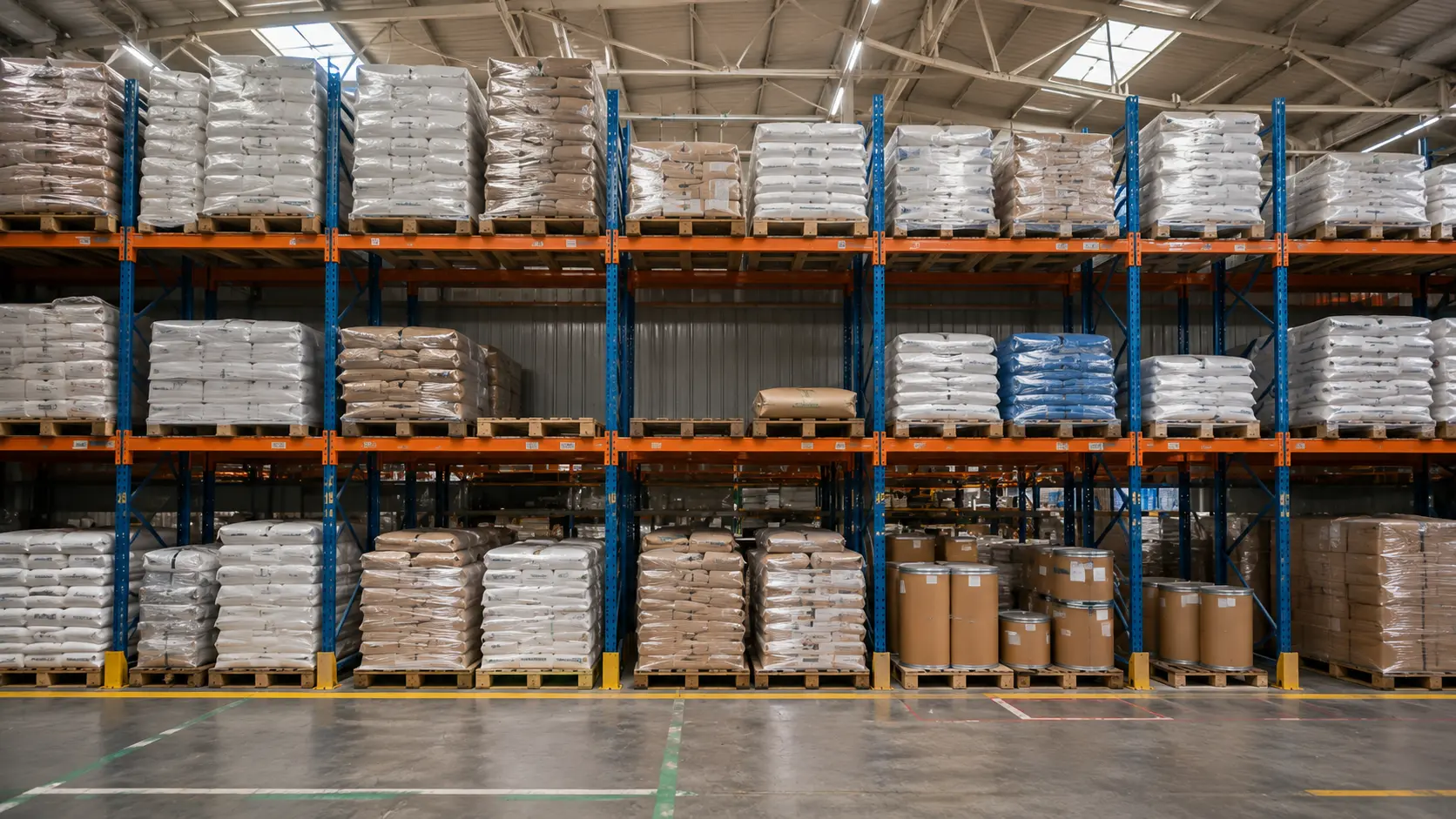
The Rule Eight permit: how to apply and why it runs out early
The permit doesn't authorize an input — it authorizes a quantity of it. Every entry draws against that balance, and when it's gone it's gone, even if the permit is still valid. How to apply through VUCEM, what the application asks for, and how to size the quantities.
Read →
 Programs
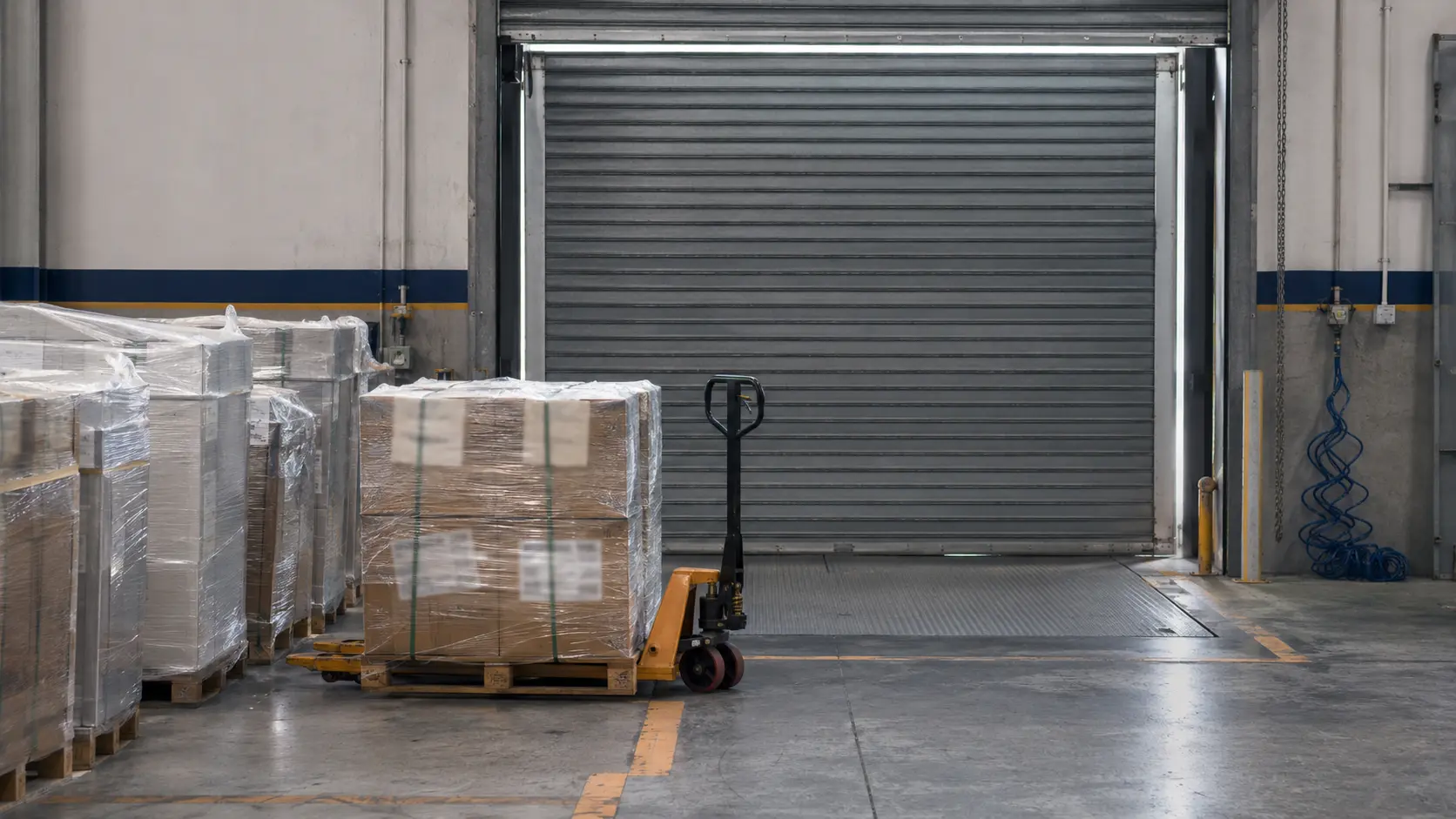
 August 24, 2026
The annual operations report: the filing that suspends the most IMMEX programs
A report filed once a year with Mexico's Ministry of Economy decides whether your program stays alive. What the RAOCE is, the full suspension and cancellation calendar, what breaks while you are suspended, and how to fix it.
Read →
 Programs
 August 14, 2026
VAT and IEPS certification: the credit that decides an IMMEX operation's cash flow
Holding an IMMEX program doesn't exempt you from VAT on temporary imports. The three ways out — pay and recover, guarantee, or certify — what SAT really looks at, how the Annex 31 credit account works, and when certification isn't worth it.
Read →
 Programs
 July 31, 2026
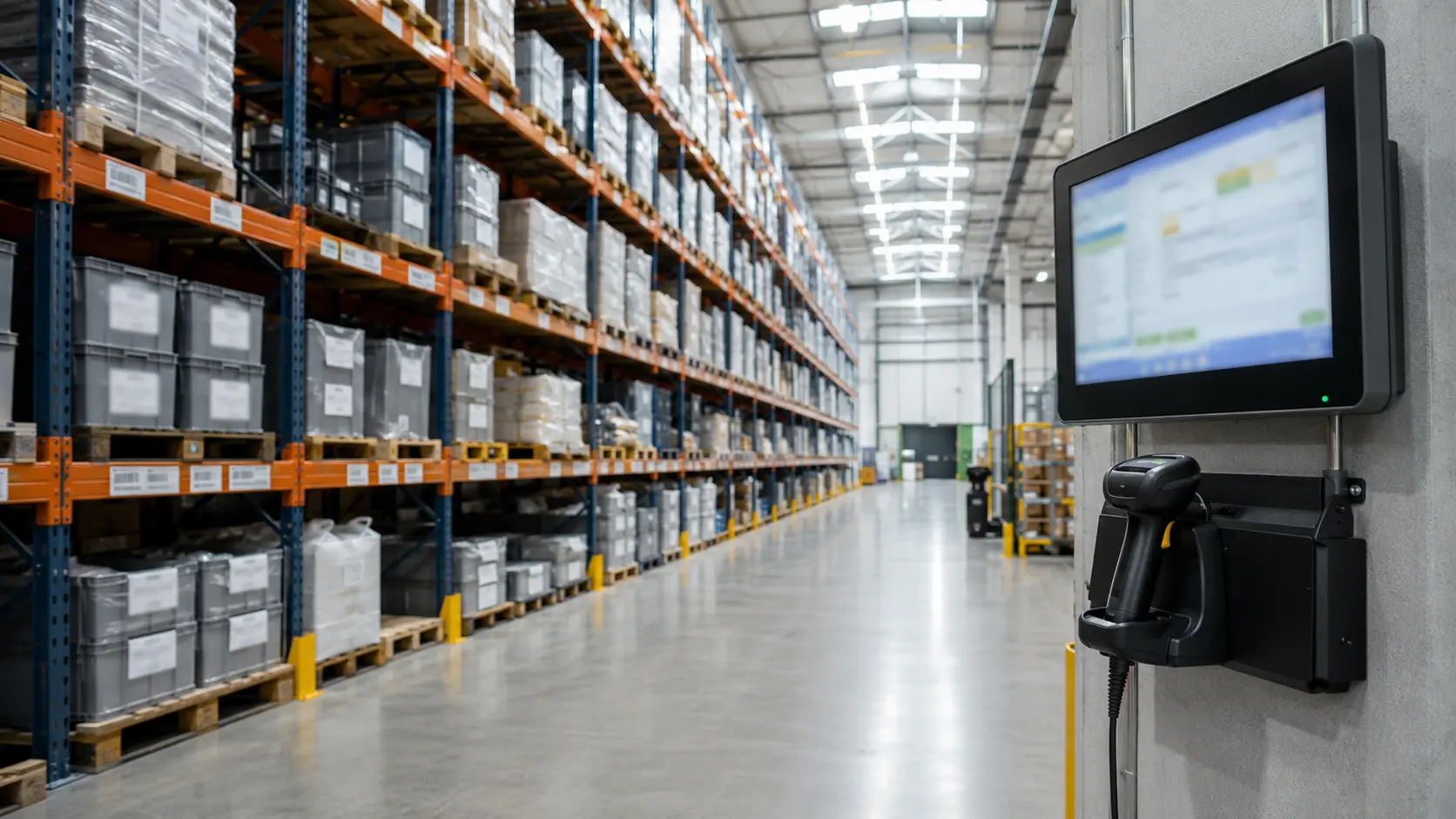
Annex 24: the inventory control that holds up your IMMEX program
IMMEX lets you import temporarily without paying duties. The trade-off is proving, line by line, that everything that came in went out. What Annex 24 is, what it must contain and what breaks first.
Read →
 Programs
 July 6, 2026
Customs regimes in Mexico: the 6 and which one fits your operation
The customs regime you choose defines how much you pay, how long the goods can stay and what obligations you take on. We explain the six regimes in Mexico's Customs Law — definitive, temporary, fiscal deposit, transit, bonded facility and RFE — and when each applies.
Read →
 Programs
 June 15, 2026
AEO in Mexico: what the Authorized Economic Operator is and when it pays off
Mexico's OEA (AEO) certification cuts physical inspections, grants express lanes and international recognition (C-TPAT, EU AEO). What it is, the SAT's requirements, the real benefits, and when it's worth it for an importing SME.
Read →
 Programs
 June 8, 2026
Rule Eight (Regla Octava): how to import inputs at 0% to manufacture in Mexico
Rule Eight is a prior import permit from Mexico's Ministry of Economy that lets you import inputs, parts and machinery under heading 98.02 at a preferential rate. What it is, who can use it, requirements, and why it matters more than ever now.
Read →
 Programs
 June 5, 2026
USMCA certificate of origin: how to pay 0% duty (and the mistakes that void it)
The certificate of origin is what lets you import under USMCA (T-MEC) preferential tariff treatment. What it is, how certification works, what rules of origin are, and why a 'Made in USA' product isn't enough to qualify.
Read →
 Programs
 May 25, 2026
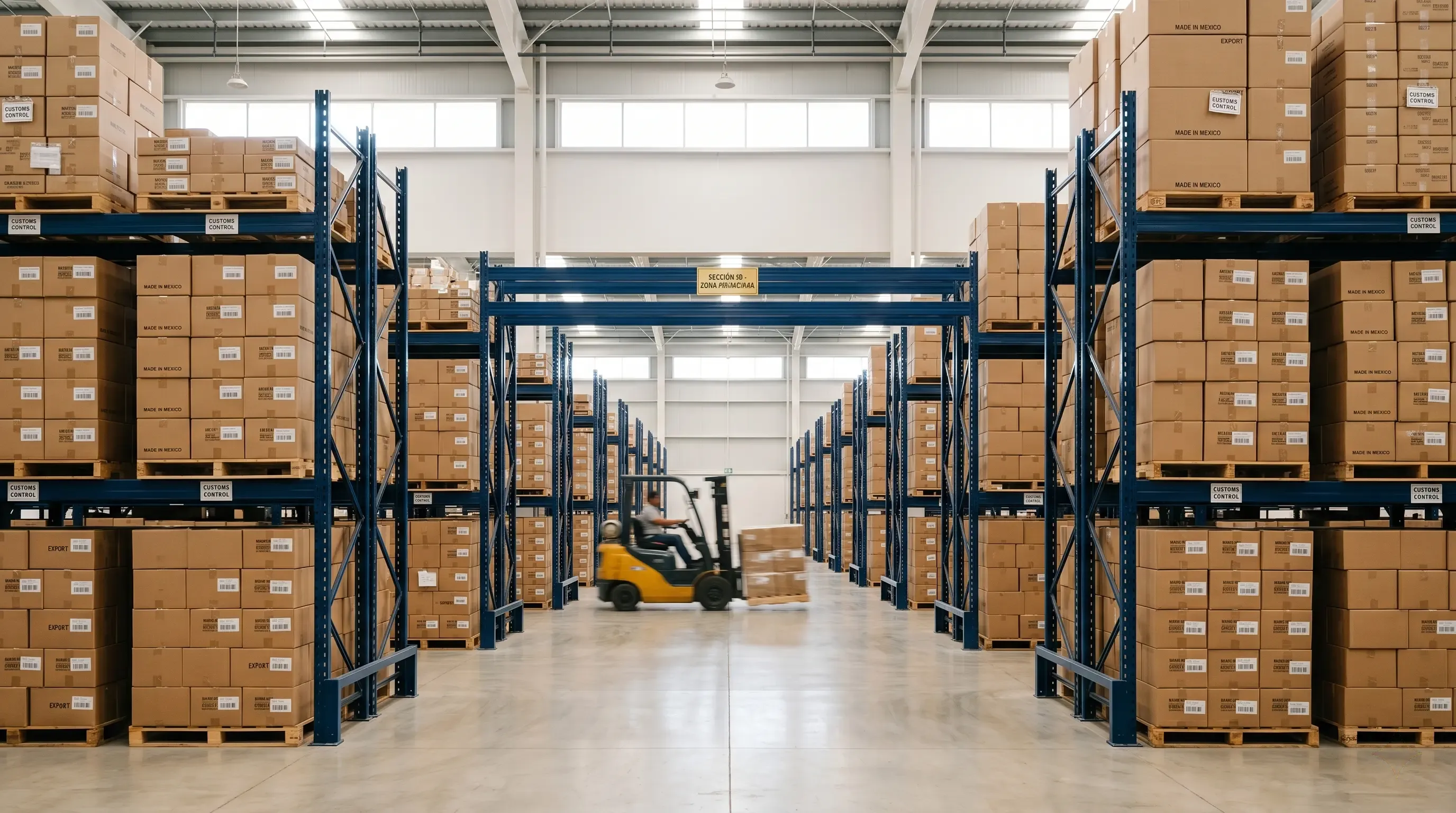
Bonded warehouse, fiscal deposit and Strategic Bonded Facility: which one fits and why
The three regimes that let you defer duties and VAT while your goods wait. Real differences, when to use each, and what it does for your cash flow.
Read →
 Programs
 April 29, 2026
What is IMMEX and when does it make sense for your company?
The IMMEX program lets you import inputs without paying VAT as long as you re-export within a deadline. Who qualifies, how much it saves, and what implementation looks like.
Read →
 Programs
 April 26, 2026
PROSEC: how to know if your industry qualifies
PROSEC lets you import inputs from specific sectors at reduced or zero tariff, with no requirement to export. Who qualifies and what the process looks like.
Read →
[ NEWSLETTER ]
Get new articles by email
Analysis on routes, incentive programs and logistics operations. Once a month. No spam.
We only send foreign-trade content; unsubscribe anytime. See our privacy notice. Also available via RSS.