Your goods have left the customs facility, the entry is paid, and yet the operation can still stop — or cost you a six-figure fine — over a document that travels with the truck: the Carta Porte (bill of lading complement). It isn’t the carrier’s paperwork that doesn’t concern you: if you import and move cargo by road, the carta porte data has to match your customs entry, and the SAT catches the errors at highway checkpoints. Since July 2024 the only valid version is 3.1. Here’s what it is, who issues it, and what happens when it’s wrong.
What the Carta Porte is
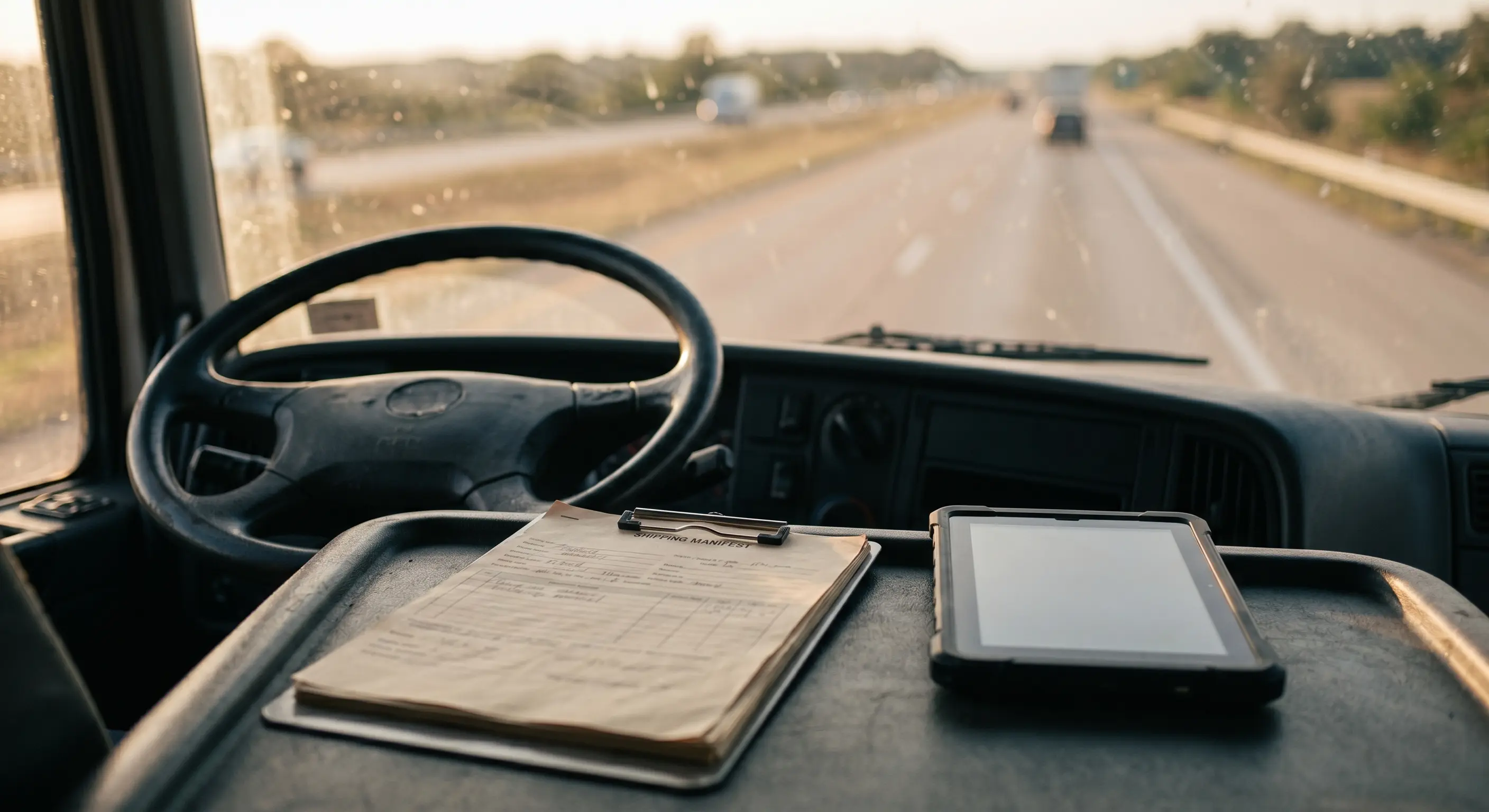
It’s a complement to the CFDI (the electronic invoice) that covers the movement of goods within Mexican territory. In practice: no movement of goods by road, rail, sea or air inside Mexico should travel without a CFDI carrying a Carta Porte complement that describes what’s moving, from where to where, in what unit, and with which permits.
For the SAT it’s a pillar of tax control and anti-smuggling enforcement: it cross-checks what you declare you’re moving against what’s actually on the truck.
The version that matters: 3.1
Version 3.1 of the Carta Porte complement is the only valid and mandatory one since July 17, 2024, when 3.0 stopped being accepted. There’s no grace period or alternate version: if you issue a carta porte, it must be 3.1, with its updated keys and filling instructions.
Who issues it
It depends on who moves the goods and with what means:
| Situation | Who issues | CFDI type |
|---|---|---|
| You hire a carrier (federal trucking) | The carrier | Income CFDI + Carta Porte complement |
| You move your own goods with your own means | You (the owner) | Transfer CFDI + Carta Porte complement |
The key point for the importer: even if the carrier issues it, the information must match your operation. If the data doesn’t line up, the problem reaches you.
How it cross-checks with your import entry
Once the goods are nationalized, every road movement — from the facility to your warehouse, a bonded warehouse, or your distribution center — requires a carta porte. And here’s the critical part: the carta porte data must match the customs entry — description, quantity, weight, origin, destination and the importer’s tax ID. A discrepancy between what the entry says and what the carta porte says is exactly what triggers a penalty in a SAT highway inspection. This is especially sensitive at the border crossings, where cargo enters and starts its road leg immediately.
The errors that get penalized most
| Error | Why it bites |
|---|---|
| Not issuing or not making the CFDI with complement available | Direct violation of the Tax Code |
| Wrong SAT keys (product/service key, unit key) | An inconsistency the SAT flags as suspicious |
| Imprecise weight or volume / different from the real one | Presumption of smuggling or simulation |
| Expired or inconsistent transport permits or licenses | The movement falls out of compliance |
| Origin/destination addresses different from those on record | Data that doesn’t add up at inspection |
What happens if you get it wrong
The penalty for not issuing or not making available the digital tax documents — including the carta porte — runs from MXN $19,700 to $112,650 (amounts from Annex 5 of the current Miscellaneous Tax Resolution). And in serious cases, a weight, volume or key that doesn’t match reality isn’t just an administrative fine: it can constitute a presumption of smuggling or simulation, with far larger consequences and the goods held.
The most common SME mistake
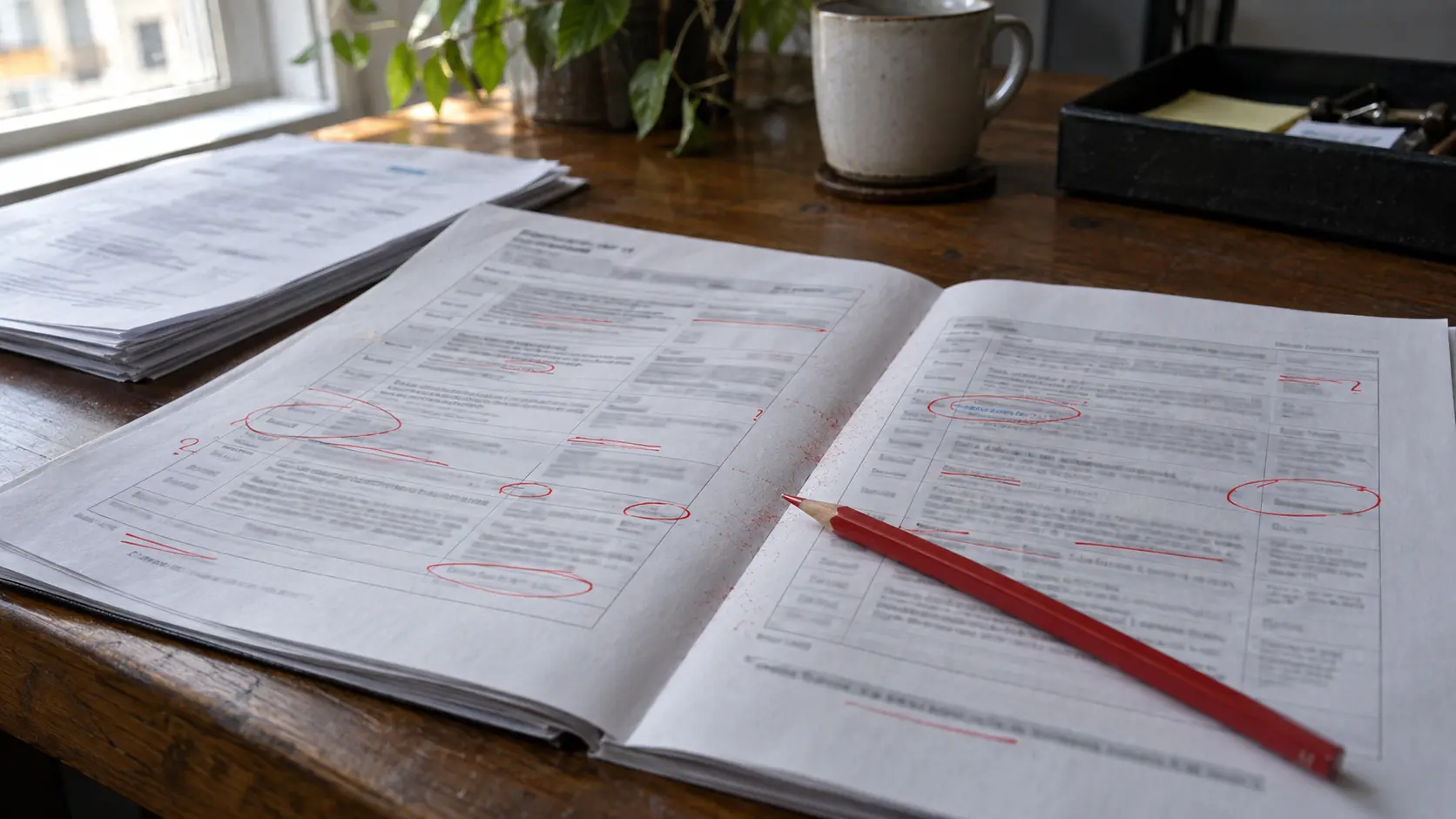
Assuming that “the carta porte is the carrier’s problem” and not checking that its data matches the entry. The importer hands over the goods and walks away; the carrier fills in the carta porte with an approximate key or weight, and the discrepancy surfaces at a checkpoint. The cargo stops, the delay cost runs, and the responsibility for the data lining up — in the end — also belongs to the importer. Reviewing the carta porte before the truck leaves takes minutes; resolving held cargo takes days.
How it fits with the rest of your operation
The carta porte doesn’t live alone:
- It cross-references the customs clearance, because its data must match the entry.
- It uses the same keys that depend on your tariff classification and goods description.
- And it becomes critical at the border crossings, where the road leg starts the moment cargo is released.
At TradeWay
Because we coordinate clearance and ground transport as a single operation, we make sure the carta porte is born aligned with your entry — same description, same keys, same weight — so the cargo doesn’t stop at a checkpoint. We help you:
- Validate that the carta porte 3.1 data matches the entry before the truck leaves.
- Coordinate carrier, keys and permits so the movement is compliant.
- Close the gaps between clearance and transport, which is exactly where discrepancies are born.
If you move imported cargo by road, get in touch and we’ll check that your transport paperwork doesn’t expose you.