
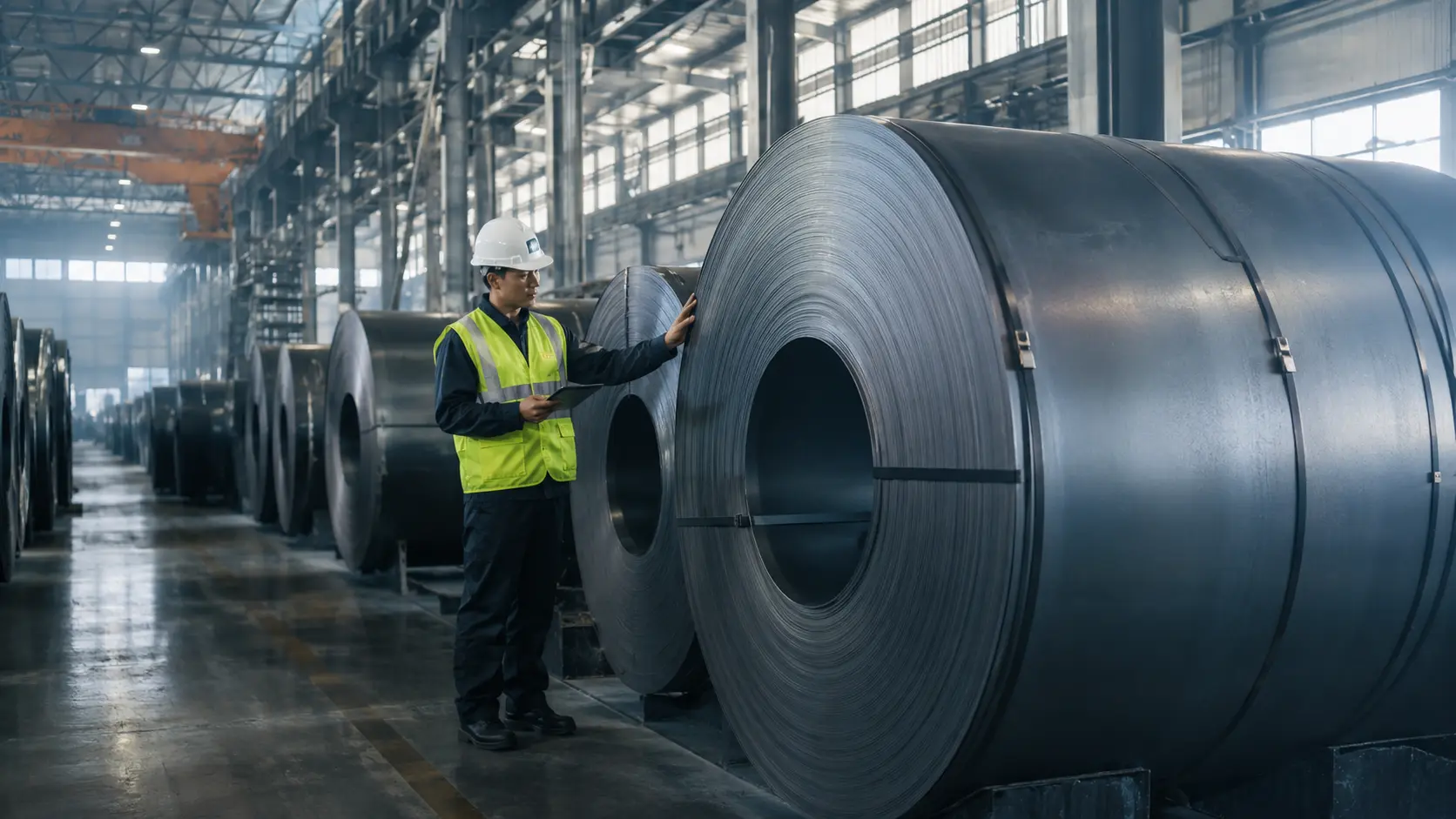
You’re on the Importer Registry, your tariff code is right, you paid your duties… and your container of steel, fabric or footwear still can’t clear. The reason is usually the same, and it catches many SMEs off guard: certain goods require, on top of the general registry, an enrollment in the Sector-Specific Importer Registry. If your product is in Annex 10 of Mexico’s General Foreign Trade Rules (RGCE) and you don’t have that sector registration, the customs entry won’t go through. Here’s what it is, which sectors it covers, and how to keep it from stalling your operation.
⚠️ The essentials. The Importer Registry (general) enables you to import in general. The Sector-Specific Registry is an additional registration for “sensitive” goods listed in Annex 10 of the RGCE. They’re two different things: you can be on the general one and still have an import blocked because you’re missing the sector one.
What the sector registry is
It’s a registration with the SAT that authorizes importing (or exporting) goods from sectors deemed sensitive for fiscal, security or health reasons. The list of tariff codes and sectors lives in Annex 10 of the RGCE, which the SAT updates periodically (the current version was published alongside the 2025 RGCE).
The logic: the general registry controls who imports; the sector registry controls who imports what, in categories where the risk of smuggling, undervaluation or diversion is higher.
Which sectors it covers
Annex 10 concentrates around 16 specific sectors across import and export. Some of the most relevant for industry:
| Sector | Example goods |
|---|---|
| Steel | Steel and its manufactures, sheet, wire rod |
| Textiles & apparel | Fabrics, yarns, garments |
| Footwear | Footwear and parts |
| Chemicals | Chemicals and chemical precursors |
| Ethyl alcohol | Alcohol, beverages |
| Hydrocarbons & fuels | Fuels and derivatives |
| Arms & explosives | Firearms, ammunition, explosives |
| Automotive | Vehicles and auto parts in certain cases |
If your product falls in one of these sectors, the general registry is not enough: you need enrollment in the corresponding sector registry before clearing.
Why it matters more now
Two reasons make it more sensitive than ever:
- Steel and textiles under scrutiny. With the new tariffs on non-FTA origins and the crackdown on undervaluation, the steel and textile sectors are under reinforced watch. The sector registry is both the entry door and the first control point.
- More suspension triggers. The 2025 RGCE added grounds for suspension — for example, goods destined for the fiscal-deposit regime that don’t arrive within 20 days of the electronic quota letter. A suspension drops you from the registry and, with it, halts every import in that sector.
What suspends you (and what happens then)
The SAT can suspend you from the sector registry over inconsistencies: an unlocatable tax address, unfiled returns, data that doesn’t add up, irregularities found in an audit, among others. The consequence? You can’t import while suspended: that sector’s entry simply won’t go through, and your goods sit held, racking up delays and storage.
Reactivating isn’t instant: you have to clear the cause and file a case. Meanwhile, the operation is stopped.
The most common SME mistake
Assuming “I’m already on the importer registry, I can bring in anything.” The importer closes the steel or fabric purchase, the container arrives… and that’s when they discover the sector requires a separate registration that takes time to process. The goods wait at the facility, storage charges run, and the operation gets more expensive before the first unit is sold. The sector registry is checked before buying, not when the ship is already at port.
How it fits with the rest of your operation
The sector registry doesn’t live alone:
- It’s the step after the general importer registry — and many discover they need both.
- It depends on the correct tariff classification: the code determines whether your goods fall in Annex 10 and in which sector.
- It cross-references NOM compliance and labeling in sectors like textiles and footwear.
- And it’s critical against the tariffs on non-FTA origins in steel and textiles.
At TradeWay
A container held over a missing registry is one of the costliest and most avoidable mistakes in foreign trade. Because we handle forwarding, clearance and consulting under a single point of contact, we can:
- Review your code and confirm whether your goods require a sector registry and which one.
- Handle the enrollment in the right sector before your first import.
- Monitor your status so a suspension doesn’t catch you with cargo at port.
If you’re importing steel, textiles, footwear, chemicals or any sensitive goods, get in touch and we’ll check your registry status before your next order.