A production line stops because one part didn’t arrive. The supplier has it ready in Germany. The question is how to bring it in, and the available answers look similar until one of them fails.
There are three routes, with different logic and different breaking points.
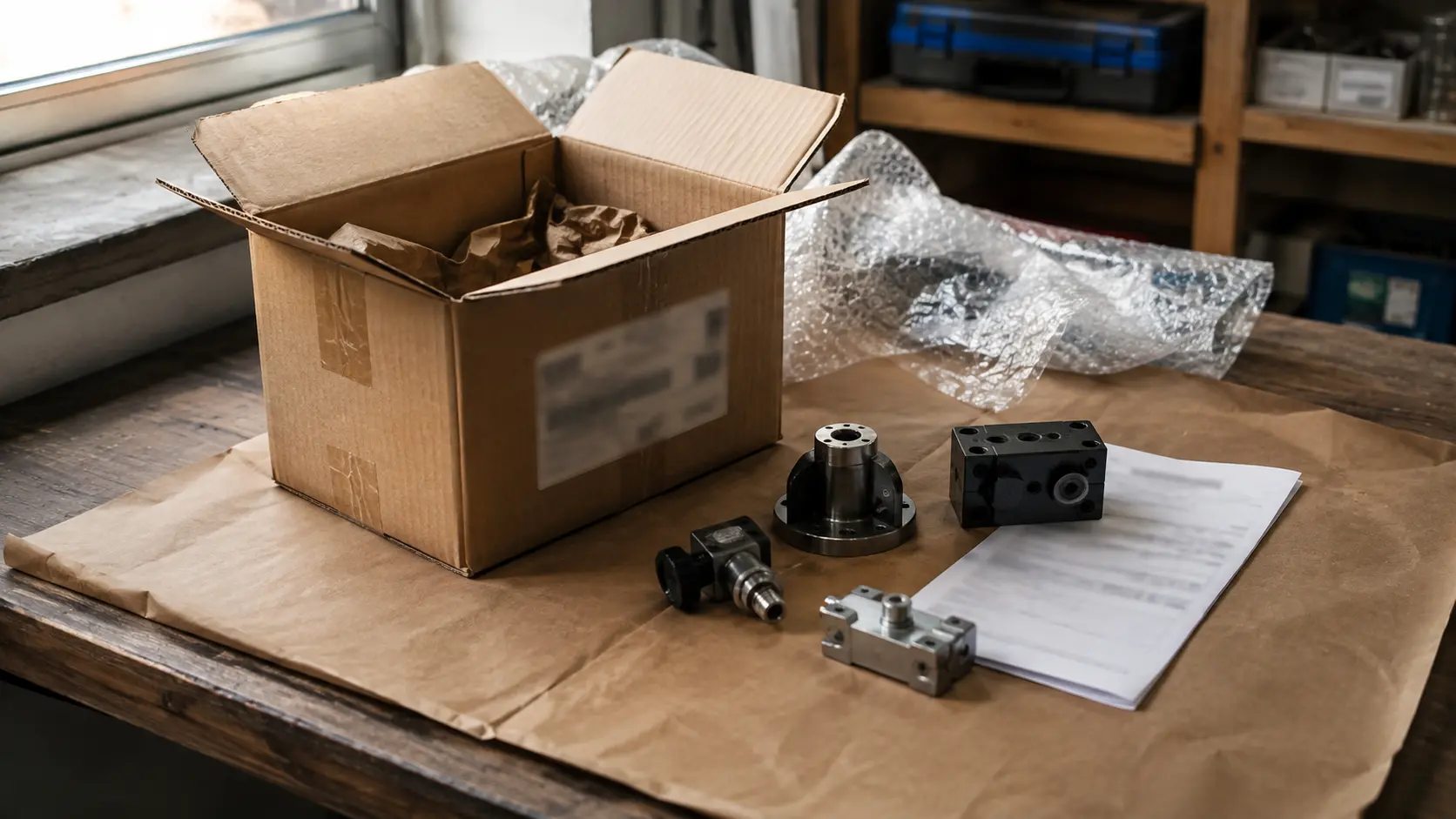
International courier
The default for small shipments: the operator picks up, transports and clears under a simplified regime designed for parcels.
When it works: low-value shipments, no non-tariff regulations, no extreme urgency, and where giving up visibility of the clearance doesn’t matter.
Where it breaks: the simplified regime carries value caps and restrictions by type of goods. When a shipment exceeds them, or the product requires a permit, a notice, or NOM compliance, the operation no longer fits and must be cleared through ordinary channels: with a pedimento, a customs broker authorization, and where applicable, importer registry enrollment.
That break is almost never anticipated. The package ships, arrives, stops, and the importer finds out they need a formal clearance they hadn’t planned for. While it gets resolved, storage charges run.
An important nuance: a courier exempts you from nothing. You are still the importer, and responsibility for the declared value, the classification and the regulations remains yours even if you never saw the entry.
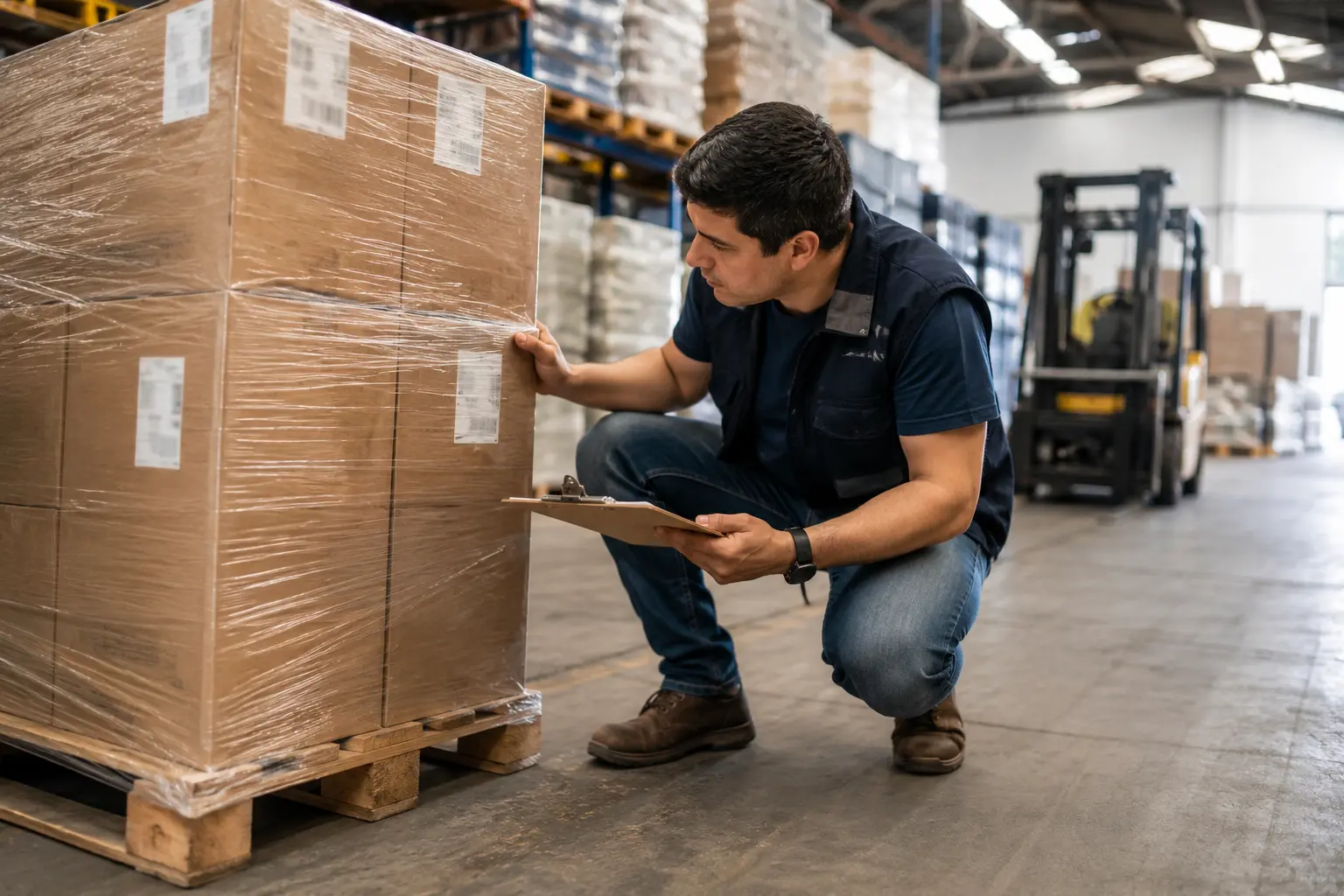
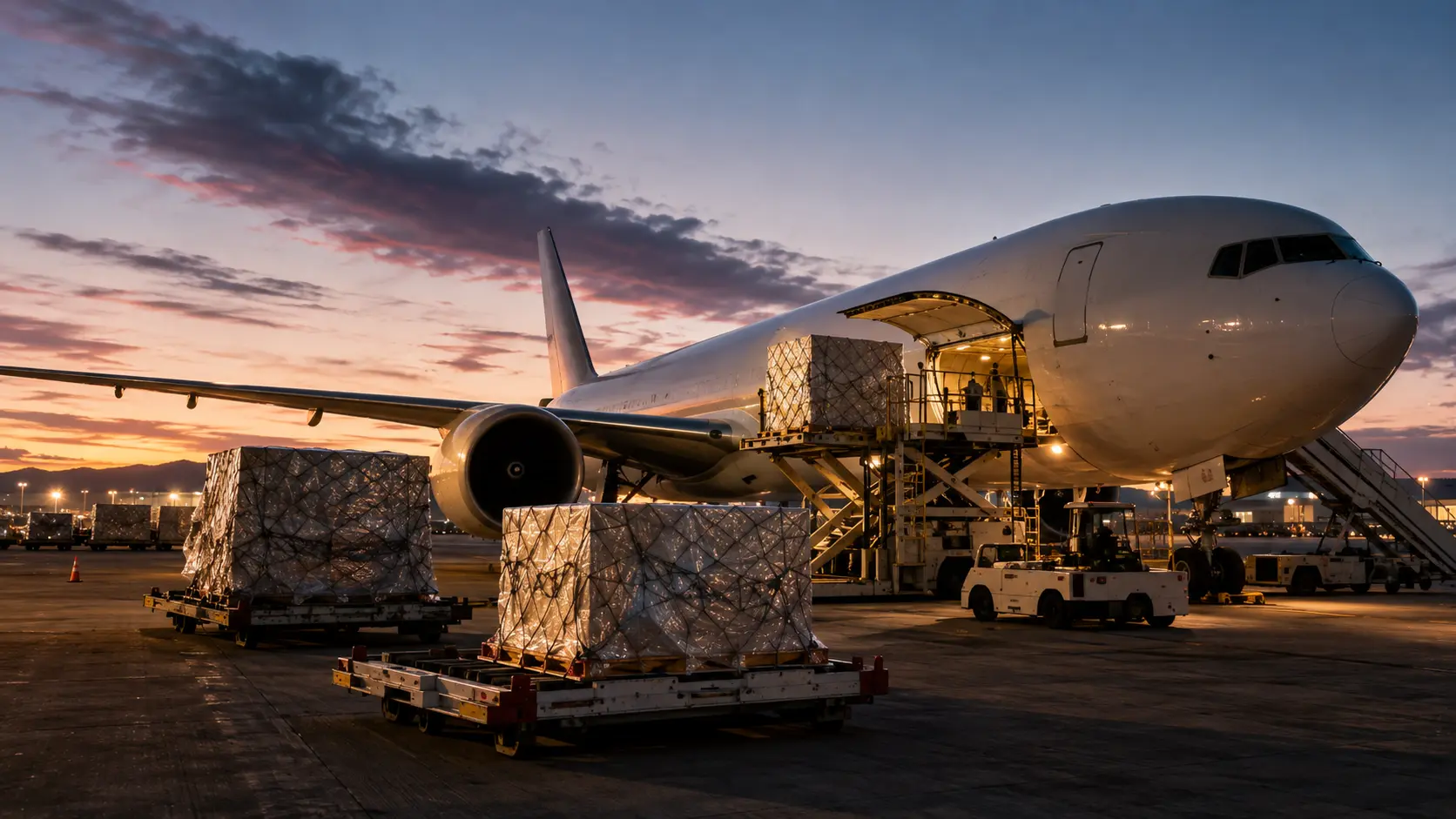
Formal freight — air or ocean
Ordinary clearance: pedimento, customs agency, complete file.
When it works: essentially whenever there’s volume, meaningful value, regulations in play, or a need for traceability. It’s the only route that scales and the only one where you control the file.
Where it breaks: on time, when urgency is real. Between booking, consolidation, transit, arrival, clearance and delivery there’s a floor of days that paying more doesn’t compress. Air shortens the transit but doesn’t remove the ground steps at both ends, which are usually what consume the most time.
If your problem is cost per kilo, this is the answer. If your problem is that there’s no production tomorrow, maybe not.
Hand carrier
The goods travel accompanied by a person on a commercial flight, as checked or carry-on baggage, and clear formally on arrival.
When it works: critical, manageable-sized pieces where each day of waiting costs more than the flight. Spare parts that stop a line, tooling, molds, prototypes with a deadline, components for a production start-up.
What you gain: door-to-door time measured in hours, not days. No consolidation, no waiting for space, no transit with transshipments.
Where it breaks: airline restrictions on weight, dimensions and type of goods — hazardous materials, lithium batteries, liquids; the cost per kilo, the highest of the three; and the fact that it still requires formal clearance. Traveling accompanied doesn’t make it personal baggage: it’s merchandise, it gets declared, and it needs the same file as any import.
That last point is where people go wrong most often. A hand carrier accelerates transport, not compliance. If a permit is missing, it’s missing either way.
How they actually compare
| Courier | Formal freight | Hand carrier | |
|---|---|---|---|
| Door-to-door time | Days | Days to weeks | Hours |
| Cost per kilo | Medium | Lowest | Highest |
| Value cap | Yes, limited | No practical limit | No practical limit |
| Control of the file | Low | Full | Full |
| Scales with volume | No | Yes | No |
The table helps, but the decision is rarely made by comparing freight rates. It’s made by comparing the freight against the cost of not having it. An hour of a stopped line at a manufacturing plant usually exceeds the entire premium of a hand carrier — and at that point the “it’s outrageously expensive” conversation ends on its own.
The reverse applies too: using a hand carrier for something that can wait four days is burning money.
The courier trap for commercial goods
Worth stating separately because it’s a recurring pattern.
An importer discovers couriers are fast and frictionless, and starts using them to bring in inventory through small, frequent shipments instead of one consolidated import. On paper it works. Underneath, they’re fragmenting a commercial operation inside a regime that wasn’t designed for it.
The risk isn’t just that one shipment gets held. It’s that the pattern is legible: repeated shipments from the same supplier, of the same product, to the same consignee, each one just under a threshold. That shows, and it reads as what it is.
If you’re importing on a recurring basis, the correct route is formal importation — and if the obstacle is not having the importer registry, that problem has its own solution, explained in importing without an importer registry.
How to decide in practice
- What does each day of delay cost? If you don’t know, start there: put a number on it.
- Does it fit the simplified regime? Value, type of goods and regulations. If any one doesn’t fit, the courier is out from the start.
- Is it recurring or one-off? Recurring goes through formal importation, no exceptions.
- Can the goods travel accompanied? Weight, dimensions and airline restrictions.
- Is the file ready? All three routes need it. The hand carrier is the least forgiving, because the entire time saving is lost if the cargo stops on arrival.
At TradeWay
We operate all three modes — courier, formal air and ocean freight, and hand carrier — with clearance, transport and warehousing coordinated through a single point of contact and a single invoice. If you have an urgent shipment today, or want to define in advance which route to take when one appears, contact us.