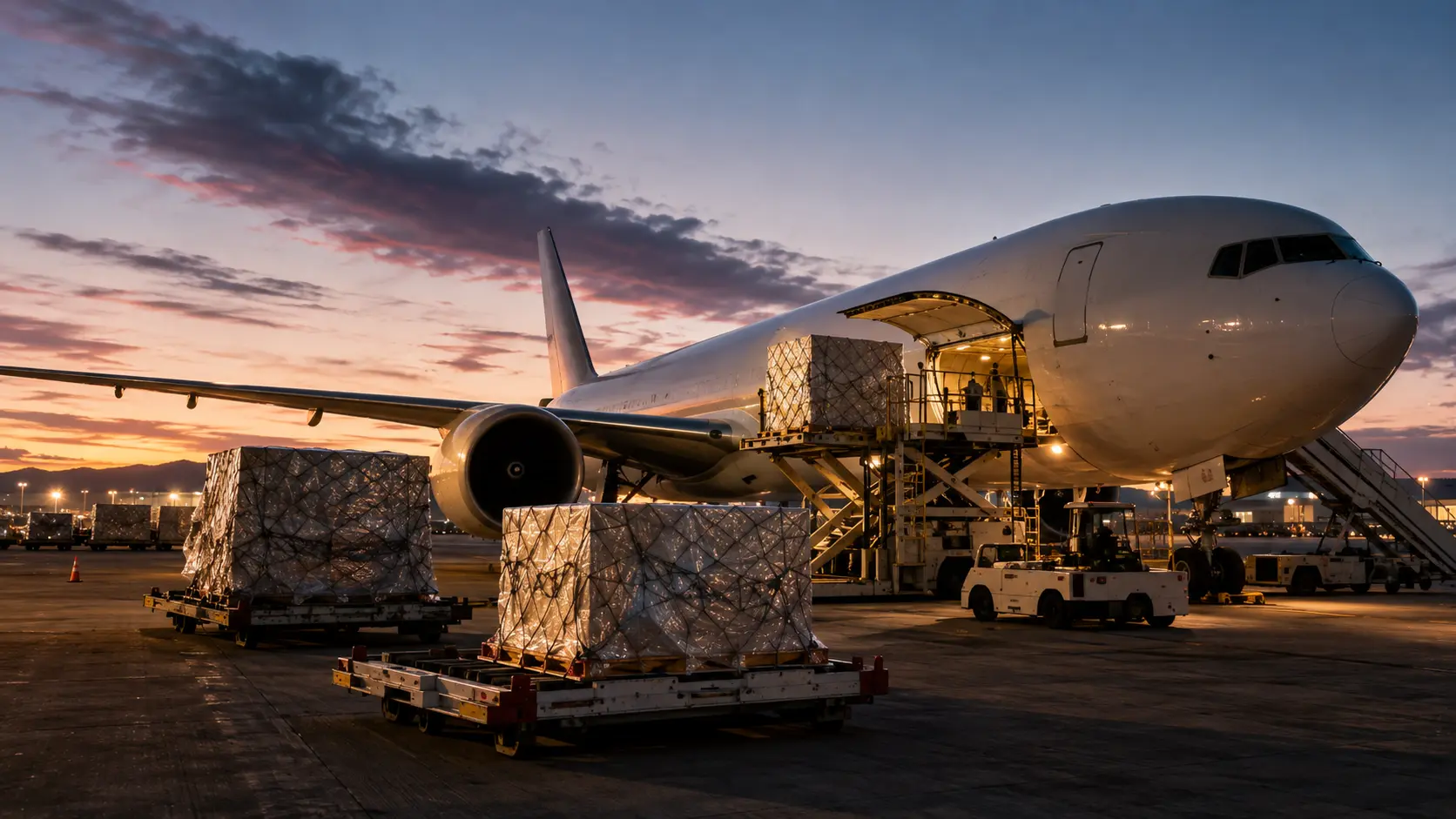
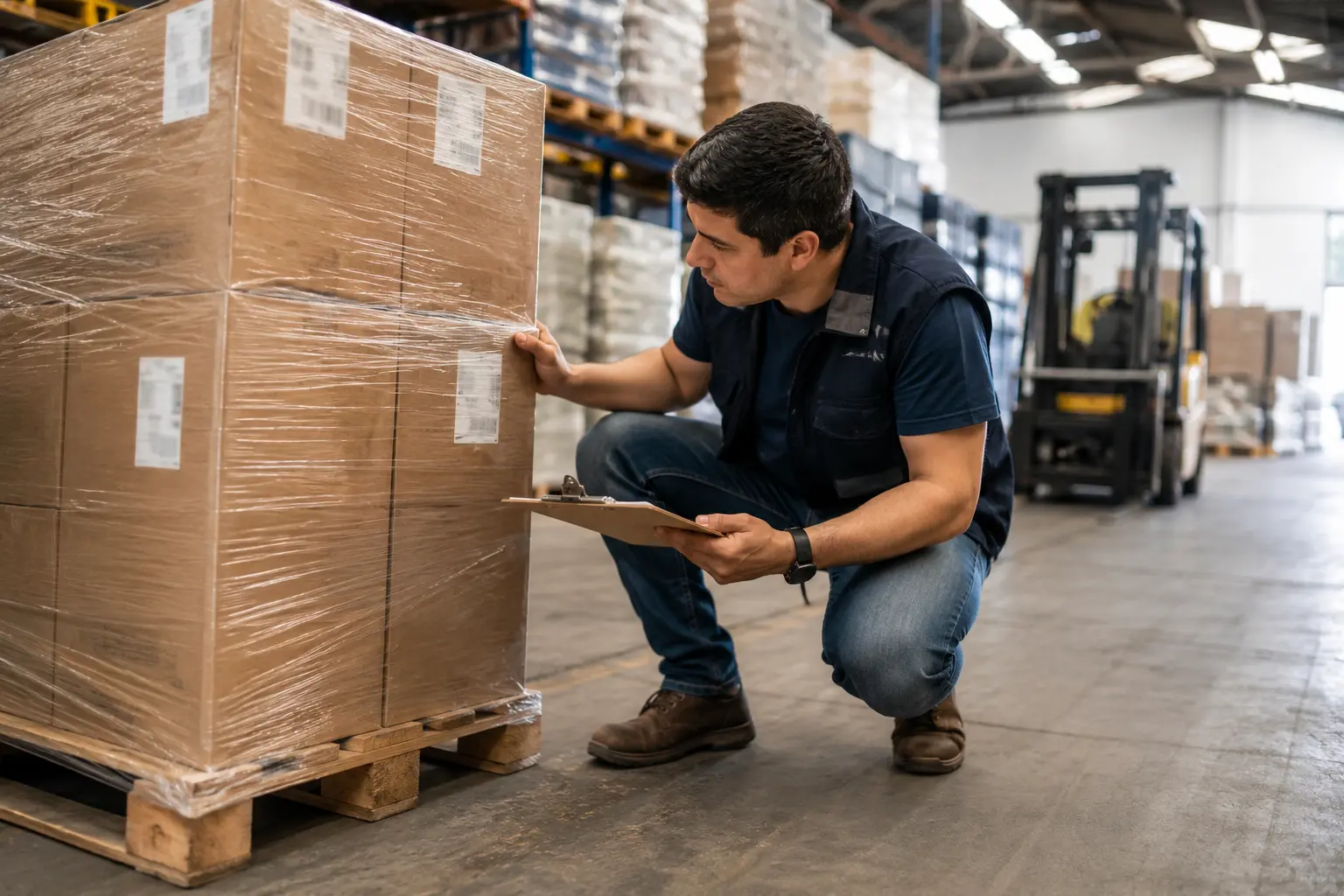
A sealed container, a bill of lading and a reliable forwarder reduce risk, but they do not eliminate loss from damage, theft, water exposure, handling incidents or accidents in transit. Cargo insurance protects the financial value of goods under the conditions of a policy. It should not be confused with the liability a shipping line, airline or trucker may have.
Carrier liability is not your insurance
After a loss, a carrier may be subject to contractual or legal liability limits. A claim can require proof of the event, strict time limits and a specific procedure; it may not reimburse the full invoice value, freight or related costs.
A cargo policy is purchased to protect the insured interest in the goods, subject to stated risks, limits, deductibles and exclusions. It does not prevent a loss—it keeps one loss from consuming the entire purchase and disrupting cash flow.
What a policy can cover
Exact protection depends on the policy. Broad transit cover may include accidental external physical loss or damage such as water damage, fire, theft, overturning or handling damage. It can also address reasonable expenses incurred to reduce a covered loss.
Do not read “all risks” as literally every risk. Ask for the certificate and conditions before shipment, and confirm the route: origin, transshipment, port, warehouse, customs and final delivery.
Common exclusions to review
- Insufficient or unsuitable packaging.
- Inherent vice or the natural condition of the goods.
- Ordinary loss in weight or volume, wear and tear.
- Delay, loss of market or commercial penalties.
- Intentional acts, war, strikes or special perils unless expressly added.
- Damage existing before handover to the carrier.
Policies handle these risks differently. Read the exclusions on your own certificate, not on a generic quote.
Setting the insured value
The insured value is often built from the commercial value of goods and can include freight, insurance and an agreed additional percentage. It should reflect what the business needs to recover to replace the operation, without creating underinsurance or overinsurance.
Share the commercial invoice, Incoterm, route, goods, packaging and value with your adviser. Incoterms allocate obligations between buyer and seller, but they do not replace checking who obtains suitable cover and for which leg.
What to do after damage or loss
- Document immediately: photos, video, seals, packaging, labels and the condition of the container or vehicle.
- Make a written exception to the carrier, terminal or delivering party before accepting cargo where possible.
- Do not discard or repair goods without insurer instructions, except for urgent mitigation.
- Notify the broker or insurer promptly and provide the invoice, packing list, transport document and evidence.
- Keep the chain of custody and every related expense documented.
Timing and evidence matter. Cargo accepted without exception can be much harder to claim for later.
At TradeWay
We can coordinate cargo insurance alongside forwarding and explain what leg and value are being covered before goods leave origin. If you are quoting an import or export, contact us to review coverage appropriate for your route and goods.