Most customs holds in Mexico are not about misclassified tariff codes or undervalued goods — they’re about labeling. A mishandled NOM can turn a routine import into a week of extra storage, re-labeling in a bonded warehouse, and in the worst case, return to origin.
Here’s the map of the labeling NOMs that come up most often in real operations, which products each one covers, and how to avoid getting bounced.
How customs verifies labeling
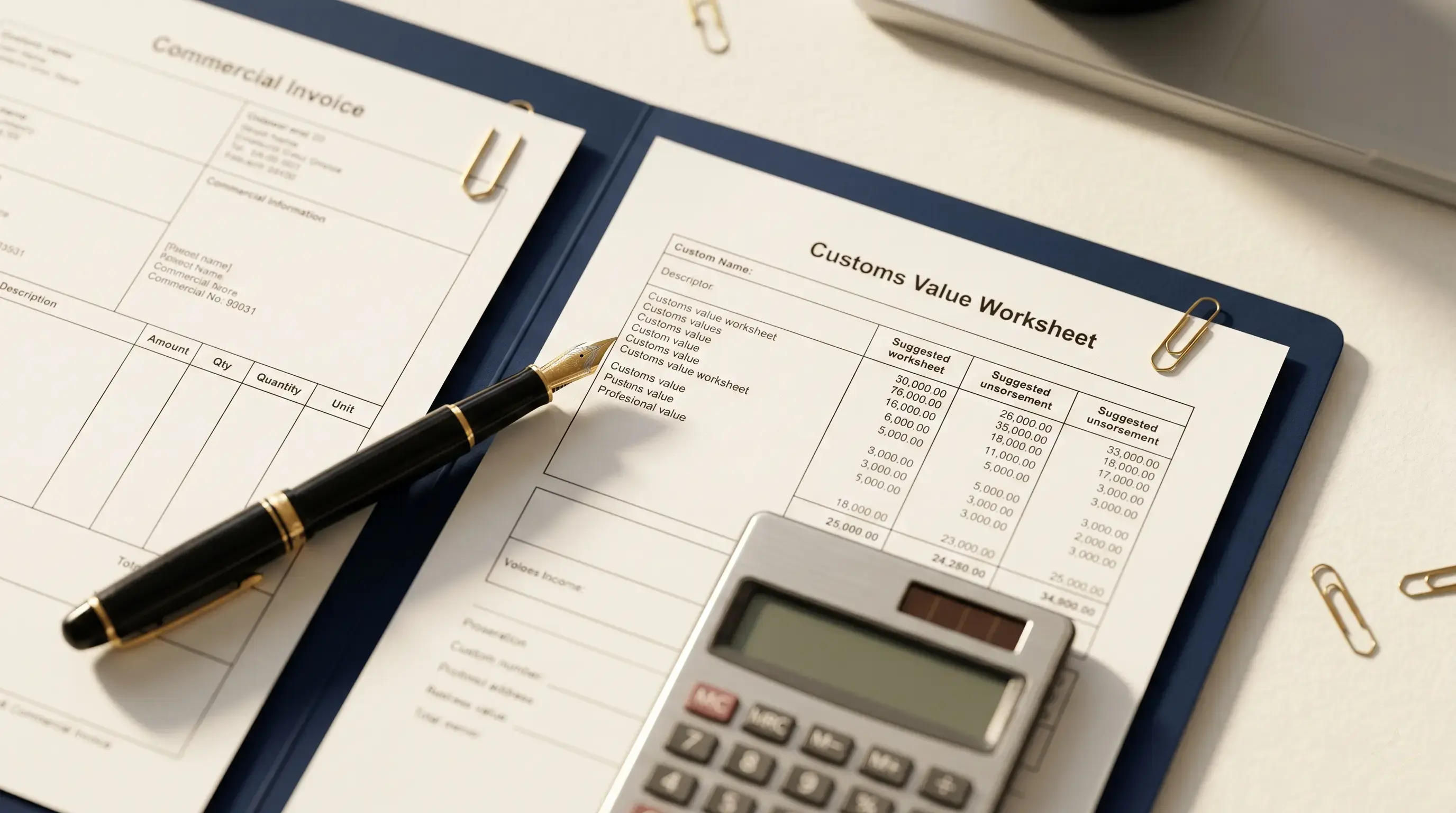
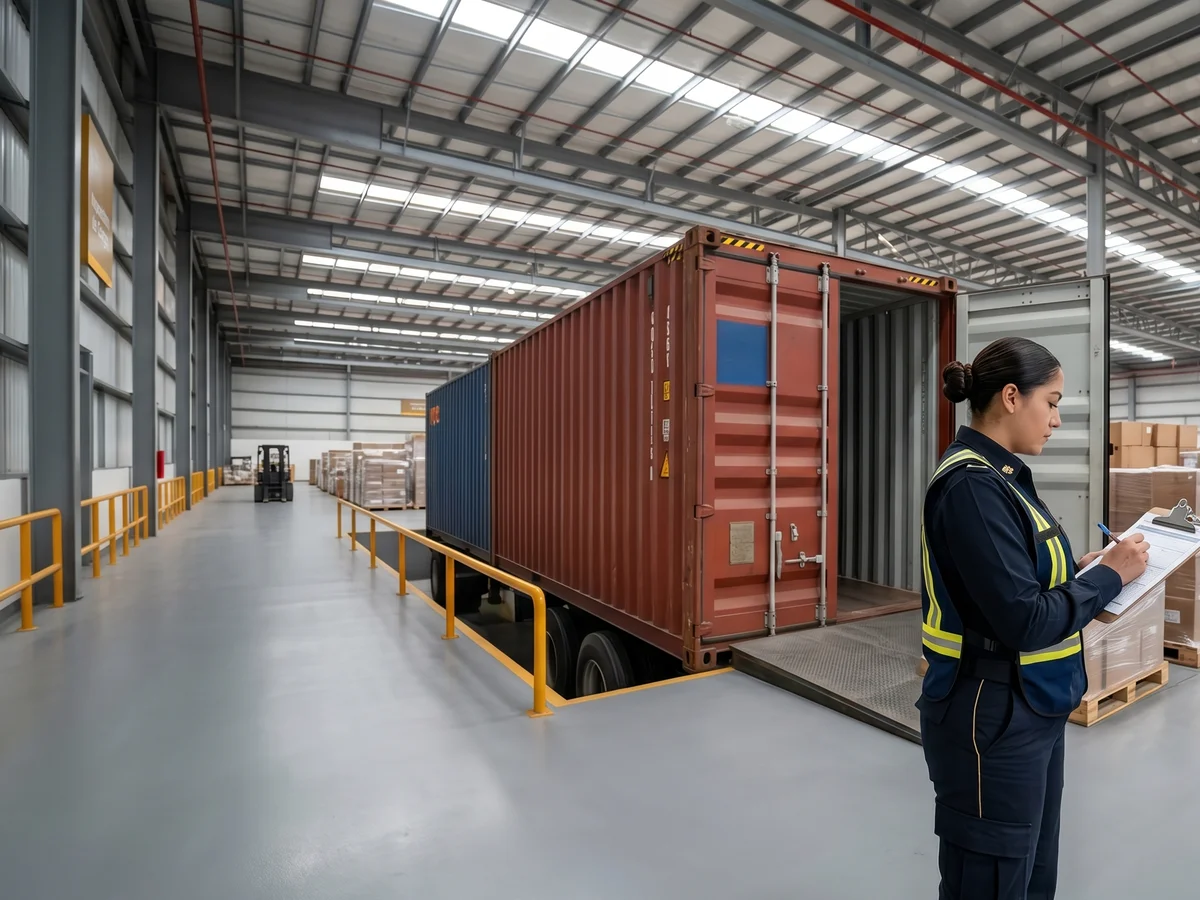
When your pedimento (customs entry) enters clearance, the SAT can trigger a customs inspection (the “red light” of the random selection mechanism). At that inspection, the verifier physically checks the goods against the entry — and one of the first things they look at is the commercial label in Spanish.
If the label doesn’t comply with the applicable NOM, the options are:
- Re-labeling at the bonded facility or general bonded warehouse before release (generates storage and handling costs).
- PAMA proceedings (administrative customs proceedings) if there’s a sanction.
- Return to origin if the issue can’t be remedied.
The customs inspection is random, but PROFECO (consumer protection agency) and the SAT also do point-of-sale verification. Meaning: even if it clears customs, you can still get fined later in your own warehouse or on your client’s shelf.
The most common labeling NOMs
NOM-050-SCFI — general products (the “baseline rule”)
Applies to any product intended for the end consumer not covered by a more specific NOM. It’s the floor.
In Spanish, the label must include at minimum:
- Product name or denomination.
- Country of origin (“Hecho en China”, “Producto de Vietnam”, etc.).
- Importer details: legal name, tax address, and RFC (Mexican tax ID).
- Net quantity/content in International System units (grams, liters, units).
- Warnings and precautions if applicable.
Common trap: bringing in product labeled only in English “because the end customer is industrial.” If the product is sold to consumers (even B2B), NOM-050 applies.
NOM-051-SCFI/SSA1 — pre-packaged food and non-alcoholic beverages
The star NOM since 2020. Includes the famous frontal warning labeling (the black octagons: “EXCESO CALORÍAS”, “EXCESO AZÚCARES”, “EXCESO GRASAS SATURADAS”, “EXCESO SODIO”, “EXCESO GRASAS TRANS”). Plus nutritional declaration, ingredient list, and allergens.
Also applies to dietary supplements marketed as food.
Common trap: importing product with FDA-style (US) nutritional labeling and assuming it works. It doesn’t. The nutritional table format, the octagons and the warning legends must be NOM-051.
NOM-004-SCFI — textiles, apparel, accessories
All apparel, home textiles (sheets, towels), textile accessories. Requires a permanent sewn label (not adhesive, not hangtag) with:
- Fiber composition by percentage.
- Care instructions (symbols or text).
- Country of origin.
- Size.
- Importer details.
Common trap: bringing in apparel labeled “100% cotton” — the NOM requires “100% algodón” in Spanish, on the permanent label.
NOM-003-SCFI — electrical products (electric toys, appliances, electronics)
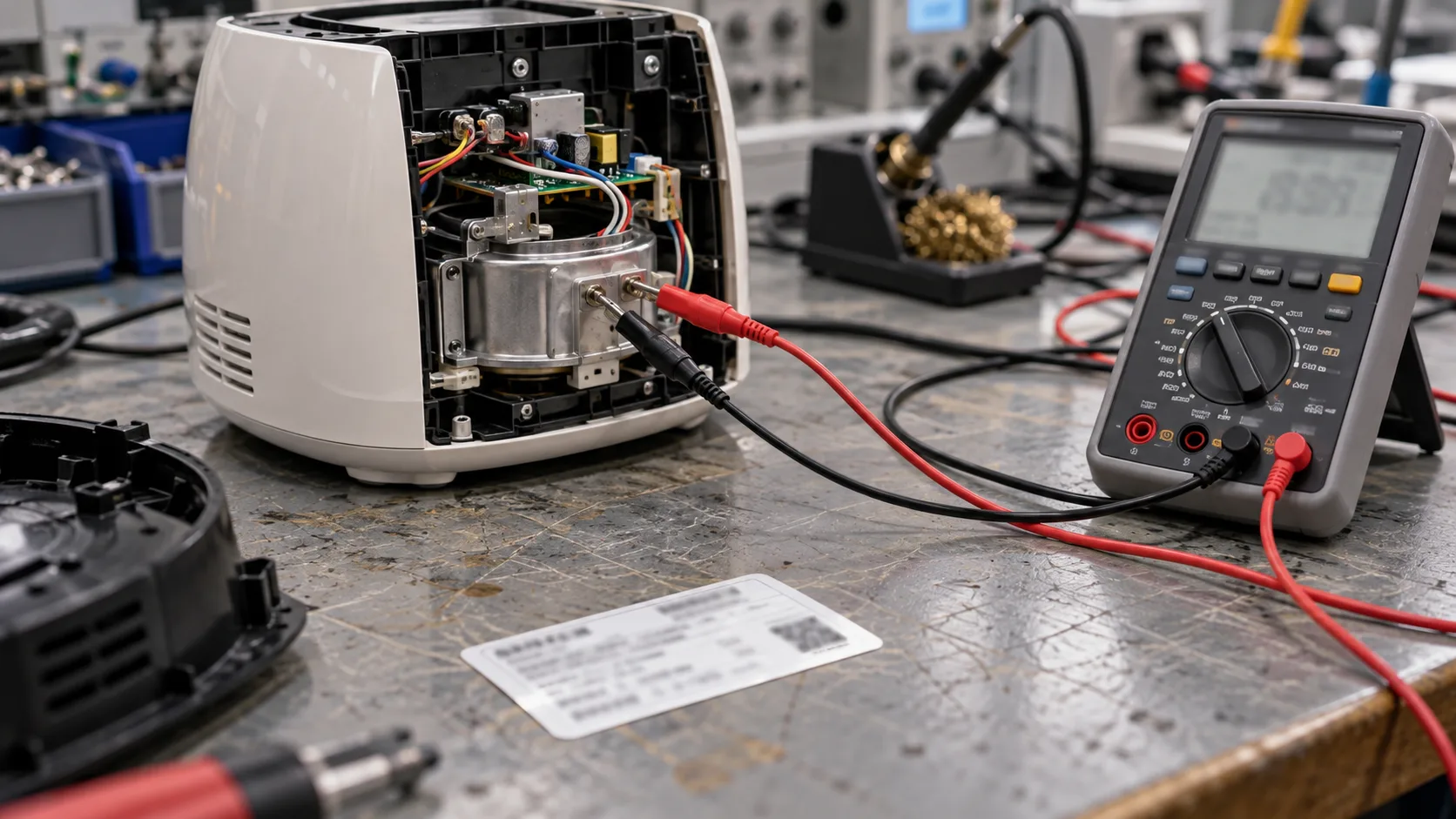
Requires labeling with voltage, frequency, power, importer details, and an NOM certificate (the well-known “electrical NOM” — involves an accredited laboratory). This NOM combines labeling + product certification, it’s not just a label.
Common trap: importing consumer electronics (chargers, LED lamps, small appliances) assuming the label is enough. Without an NOM certificate issued by an accredited Product Certification Body, customs won’t release.
NOM-024-SCFI — electronics, software, packaged goods
Manuals, instructions, and warranties in Spanish. Applies to electronics, packaged software, audio/video, telecommunications.
NOM-141-SSA1/SCFI — pre-packaged cosmetics
Cosmetics, personal care products. Ingredient labeling (INCI), manufacturing data, warnings, net content, importer details.
NOM-189-SSA1/SCFI — household cleaning products
Detergents, cleaners, air fresheners. Labeling with precautions, first aid, importer details.
Quick reference: which NOM applies to my product?
| Product | Applicable NOM |
|---|---|
| Food or non-alcoholic beverage | NOM-051 |
| Apparel, footwear, textiles | NOM-004 + NOM-050 |
| Plug-in electronics / electrical appliances | NOM-003 (with certificate) + NOM-024 |
| Cosmetic, shampoo, makeup | NOM-141 |
| Household detergent, cleaner | NOM-189 |
| Toy | NOM-015 (safety) + NOM-050 |
| Industrial product with no end-consumer use | Generally just NOM-050 |
| Any other end-consumer product | NOM-050 |
When re-labeling in Mexico makes sense
If your foreign supplier can’t label per NOM at origin (typical case with small suppliers in Asia), there are three options:
- Re-labeling before shipment — the supplier applies adhesive labels in their warehouse. Cheaper but demands strict quality control.
- Re-labeling at a bonded warehouse in Mexico — goods enter fiscal deposit and are re-labeled before clearance. Saves you rejections at customs inspection, but adds storage cost.
- Re-labeling at a Strategic Bonded Facility (RFE) — if you’re also processing/transforming, RFE is better because labeling happens in the same operation.
Red flags when quoting with a foreign supplier
- They say “I’ll send it with NOM labeling” but can’t tell you which NOM applies → they almost certainly don’t know it. Verify.
- They show you photos of labels with only the product name in Spanish → that is not NOM-050. Country of origin, importer, RFC, and net content are missing.
- They tell you the electrical NOM “doesn’t apply because it’s industrial” — verify against the tariff code and the NOM, not their word.
Documentation customs requires beyond the label
For some NOMs (especially NOM-003 electrical, NOM-051 food, NOM-142 alcoholic beverages) customs may require an NOM certificate or certificate of conformity issued by a Product Certification Body (OCP) accredited by EMA and approved by the Secretariat of Economy. Without that document, no release — even if the label is perfect.
At TradeWay
In every quote we review the tariff code of the product and map the applicable NOMs before shipping. If you arrive with a noncompliant NOM, we coordinate the re-labeling and reprocessing with the customs broker. If you have a product in planning and don’t know which NOM applies, talk to us — in under 24 business hours we’ll tell you which regulation covers your tariff code and the approximate compliance cost.