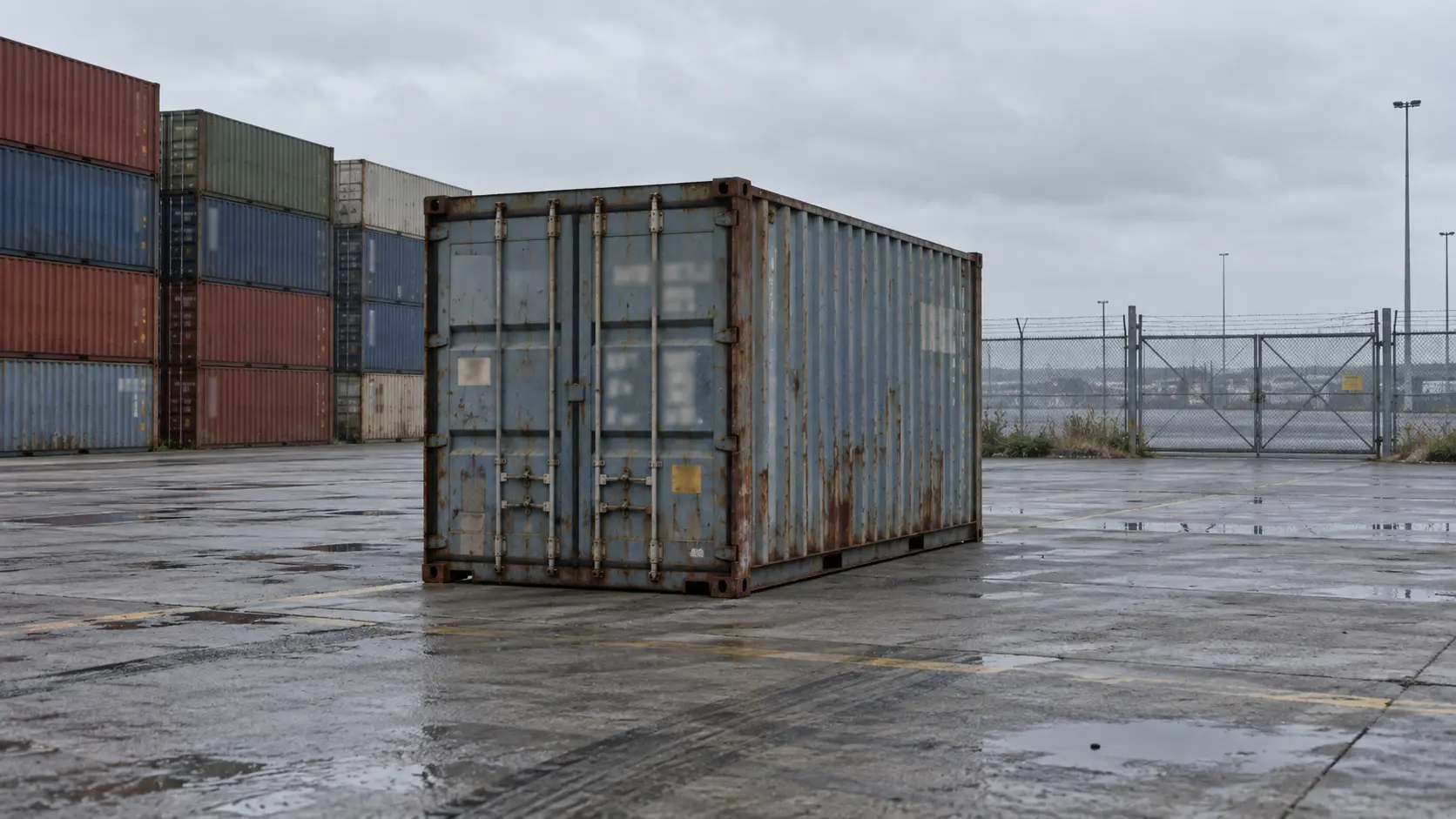
Your goods have arrived, the customs entry is paid, and everything seems settled. Then, at the customs module, a system decides in seconds whether your cargo moves on or goes to inspection. In foreign-trade jargon this is the traffic-light system: green and you go, red and you get inspected. Understanding how it works — and what tips the scale — is the difference between smooth clearance and days of stranded cargo.
What the traffic-light system is
When you file the customs entry (pedimento) at customs, the Automated Selection Mechanism (MSA) kicks in. It automatically determines whether your operation proceeds to free clearance or to customs inspection:
- Green (free clearance): the goods pass with no physical inspection. Clearance continues.
- Red (customs inspection): the authority reviews the operation before releasing it.
The key point is that the outcome is automated. It draws on risk criteria — type of goods, origin, value, importer history, compliance — but it also includes a random component. That’s why no one can promise you’ll “never go red”: what you can do is lower the probability and be ready when it happens.
What customs checks in the red lane
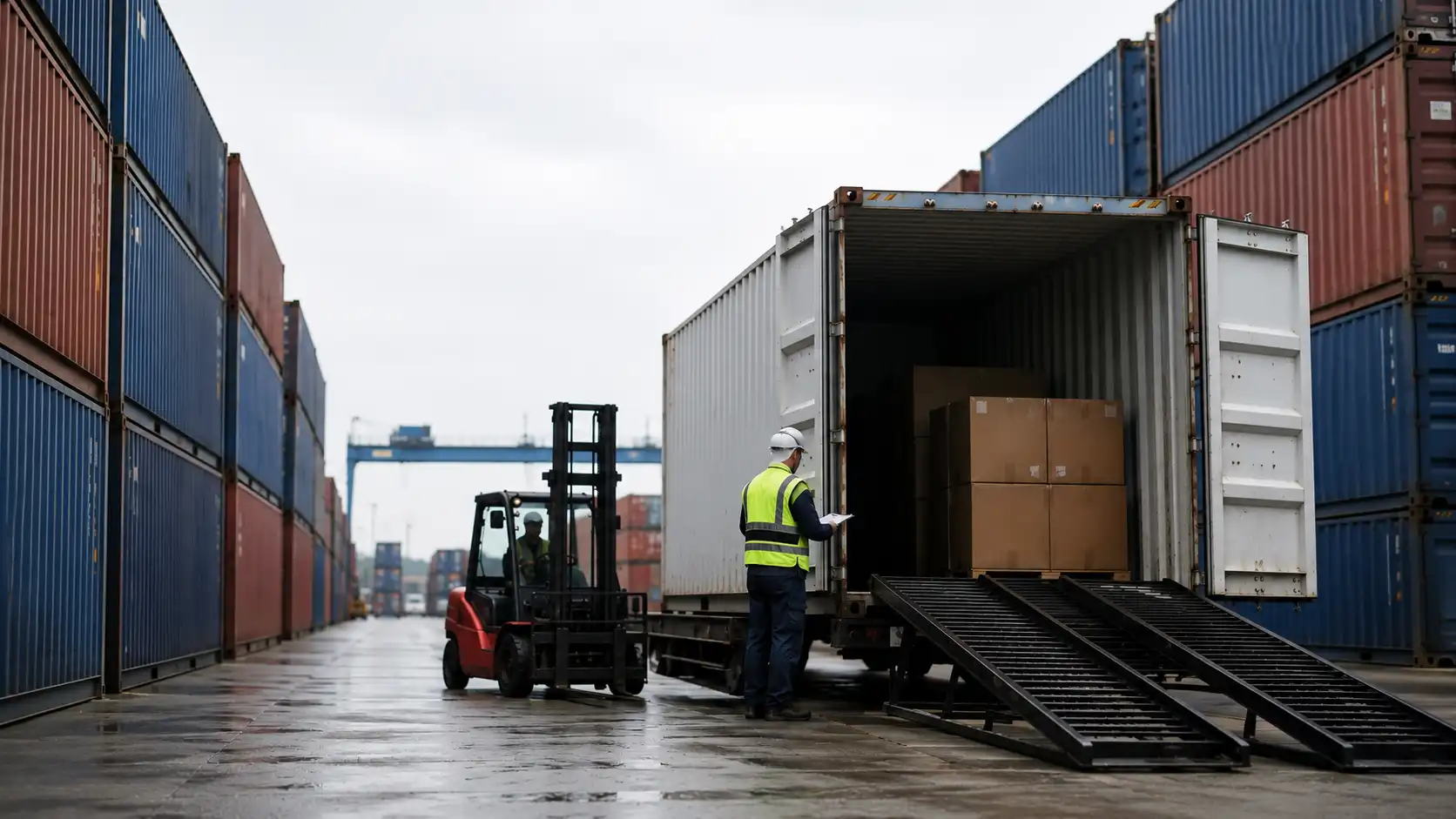
A customs inspection verifies that what you declared matches what you’re actually bringing in. It has two dimensions:
- Documentary: that the customs entry, invoice, packing list, certificates and permits are complete and consistent with one another.
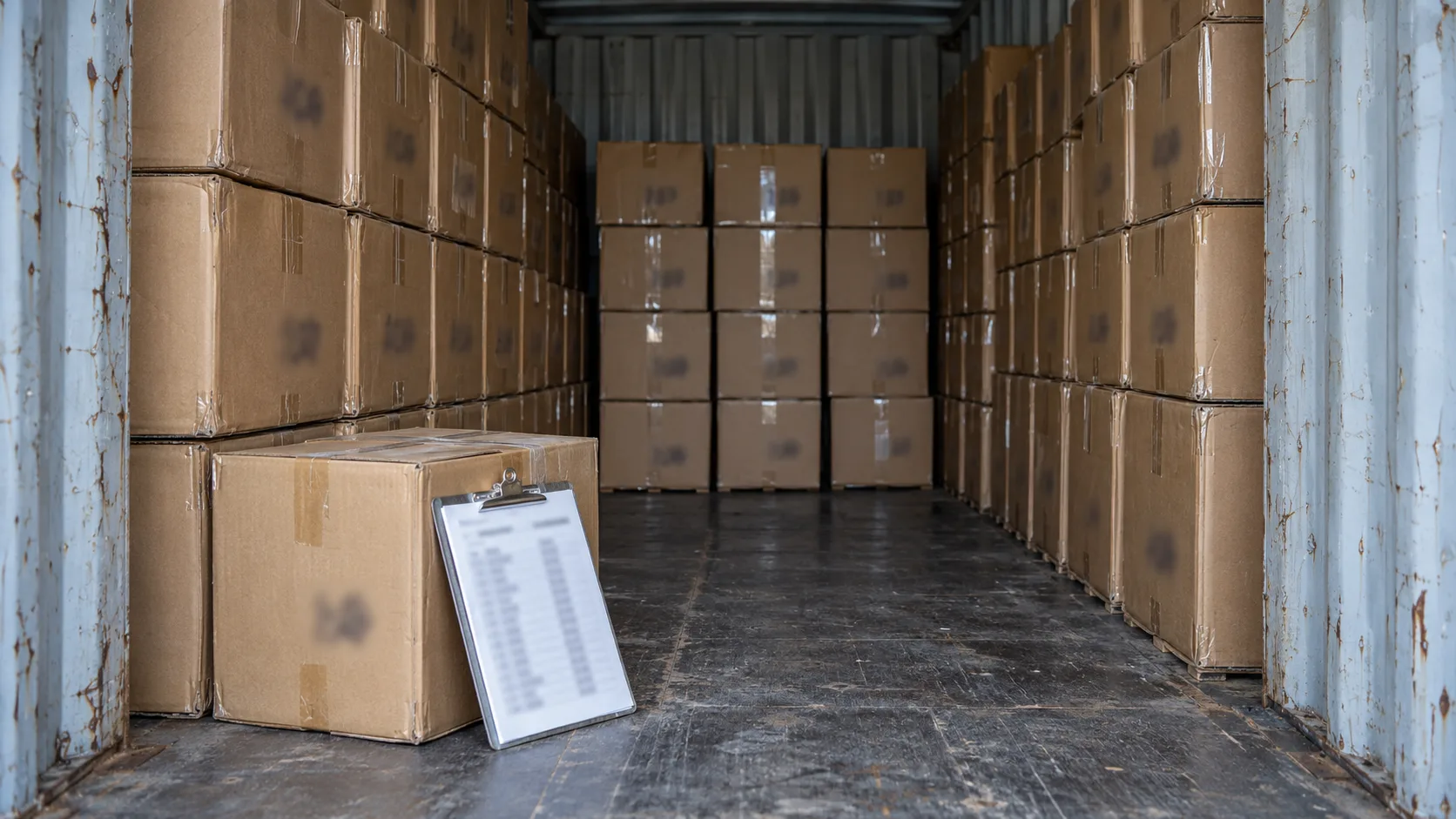
- Physical: opening and examining the goods to confirm the declared tariff classification, quantity, weight, description, origin and value.
It also confirms compliance with any non-tariff regulations and restrictions (permits, labeling NOMs, sanitary authorizations) that apply to your product. If everything checks out, the goods are released. The real cost of a red light is almost never the inspection itself — it’s time: handling, dwell and, for ocean freight, demurrage and storage running while the container waits.
What happens if there’s a discrepancy
If the inspection turns up a material difference — a wrong classification, a value that doesn’t add up, undeclared goods or a missing permit — the authority can open an Administrative Customs Procedure (PAMA) and, where warranted, a precautionary seizure of the goods until the matter is resolved.
That’s where a seemingly minor error gets expensive. The most common scenario is undervaluation, when the declared value falls below what the authority considers reasonable. So the best defense against the red lane isn’t built at customs — it’s built beforehand, in a well-supported file and a solid customs value declaration.
How to lower your odds of going red
You can’t get to zero, but you can bring the risk down consistently:
- Classify correctly. A correct, defensible tariff classification is the single biggest factor: it avoids gaps between what’s declared and what’s physically there.
- Get the value right. Document the price actually paid and keep the support ready (invoices, contracts, wire transfers).
- Keep a clean file. Invoice, packing list, certificates of origin and permits consistent with each other and with the customs entry.
- Build a track record. An importer with a history of compliant, recurring operations reads as lower risk.
- Consider AEO. Certification as an Authorized Economic Operator lowers inspection incidence and unlocks priority lanes and times — something you feel most at the border crossings.
At TradeWay
The red lane isn’t fought by improvising at the module — it’s prevented at the desk, with classification, value and permits in order from the start. Because we run forwarding, customs clearance and consulting under a single point of contact, we work both sides:
- We harden the file before clearance — classification, value and non-tariff regulations — so a red light, if it comes, doesn’t catch you off guard.
- We respond to the inspection with the documentary support ready, to release the cargo in the shortest possible time.
- We assess AEO when your volume and exposure to inspections justify it.
If your cargo gets stuck in inspections more than you’d like, get in touch and we’ll look at what’s sending it red.