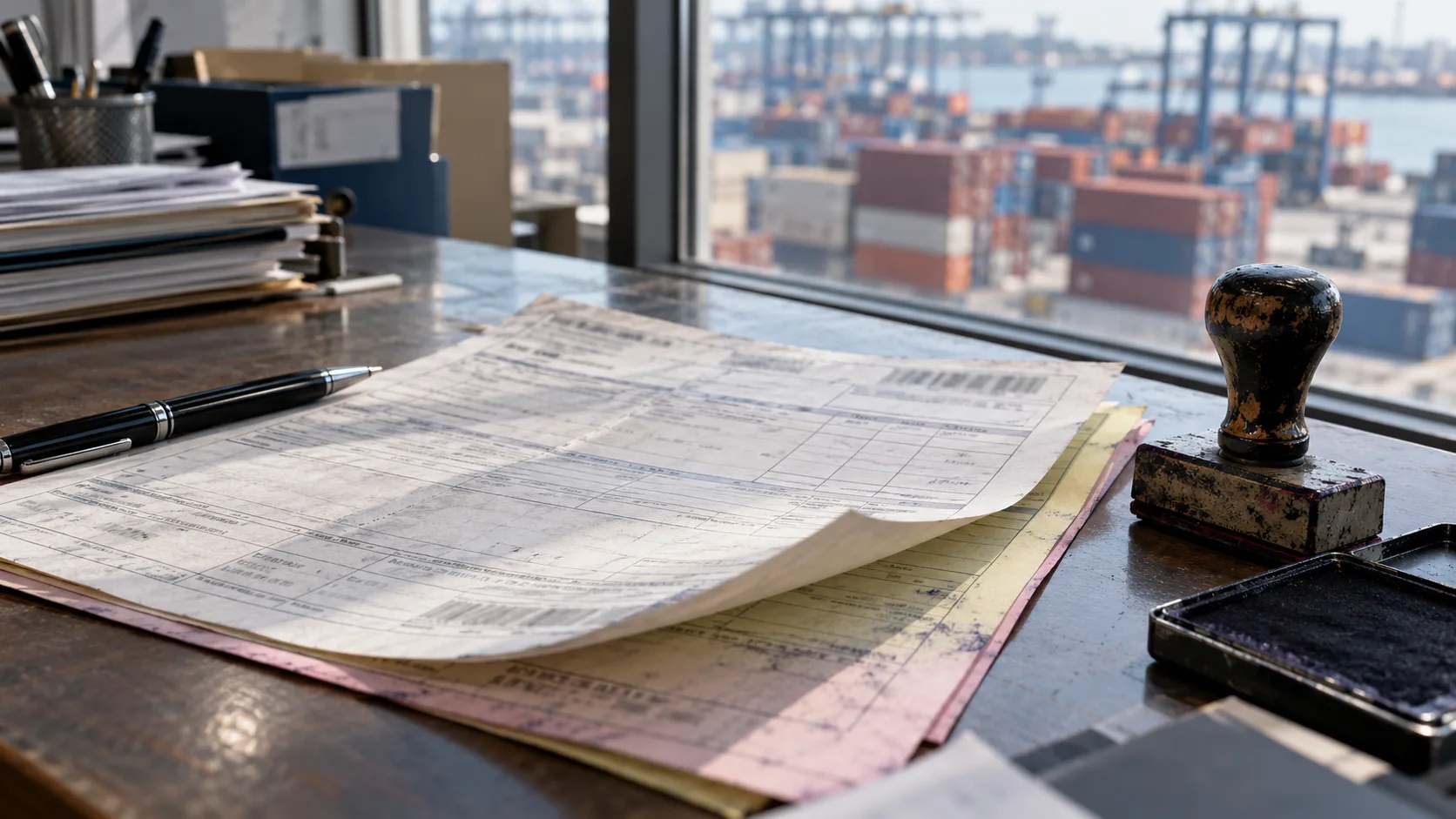
An import shipment rarely stalls because of customs. It stalls because the forwarder was waiting on a document the broker assumed the supplier had sent, because nobody scheduled the unloading, or because the trucker arrived at a warehouse with no appointment. Every party did its job. The failure happened between them.
It helps to be clear about what each role actually covers before deciding how to structure your operation.
Freight forwarder
The forwarder organizes international transport. It books space with carriers, issues or manages the transport document, consolidates cargo where applicable and coordinates the legs between origin and destination.
Its natural scope is physical movement and its paperwork: booking, loading, transit, transshipment and arrival. A good forwarder gives you date visibility and warns you early about a delay. What it does not normally do on its own is clear the goods through Mexican customs.
Customs agency
The customs agency is the party that clears. It classifies the goods, determines duties and taxes, transmits the entry and answers to the authority for its professional conduct. To act in your name it needs the customs broker authorization you grant.
Its work depends on information it almost never generates: commercial invoice, packing list, certificates of origin, permits, notices and value evidence. When that information arrives late or incomplete, clearance stops even though the cargo is already in the yard.
Logistics operator or 3PL
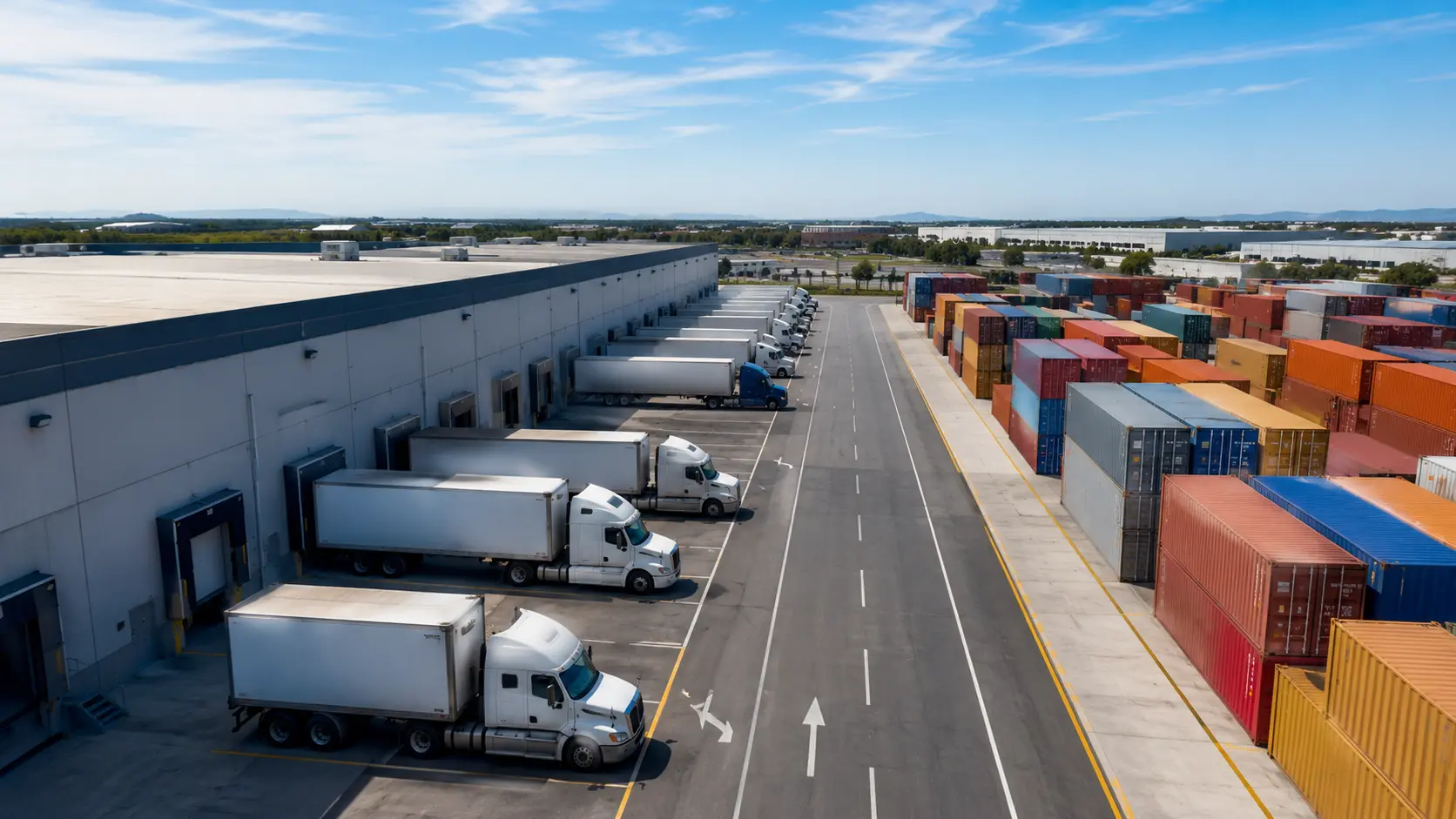
The logistics operator handles what happens after — or around — clearance: warehousing, cross-docking, inventory, order preparation, final delivery. In import flows it may involve a bonded warehouse or strategic bonded facility, where the customs treatment of the goods changes.
Where the chain breaks
The friction points are predictable and almost always the same:
- Document handoffs. The file moves from supplier to forwarder, forwarder to broker, broker to warehouse. Every hop is a chance to lose a version, a stamp or a signature.
- Late classification. The tariff classification is settled with the cargo already in transit, and a permit or labeling requirement nobody anticipated appears.
- Free time burned. The container arrives, clearance slips, and demurrage, detention and storage start running with no contract assigning them to anyone.
- Handling with no owner. Unloading, validation, pre-inspection, terminal handling: real costs that show up outside the original quote.
- Customs inspection. If the shipment draws a red lane, someone has to be there and respond fast. With three providers, that someone usually takes a while.
None of this is exotic. All of it follows from a chain split into segments, each provider optimizing its own.
What to ask when you request a quote
- Who answers if cargo stops at the handoff point between two providers?
- Does the quote include handling, validation, pre-inspection and storage, or only freight?
- Who validates the tariff classification, and at what point in the process?
- Who notifies me — and how fast — if a date changes or an inspection is triggered?
- How many invoices will I receive for a single shipment?
The last question looks administrative and is not. The number of invoices is usually a good proxy for how many internal borders your operation has.
What an end-to-end service changes
When one provider coordinates forwarding, clearance, domestic transport and warehousing, the friction points do not disappear — they change owner. They stop being your coordination problem and become the responsibility of the party you hired.
That translates into concrete things: a file that is not transferred between companies, classification reviewed before loading rather than in the yard, a single notification when something changes, and a cost close-out you can compare against the original quote.
It is not a different legal structure. It is an architecture decision about your chain: how many contracts, how many counterparts and how many gaps between them you are willing to manage.
At TradeWay
We operate as an end-to-end service: forwarding, customs clearance, transport, bonded warehousing and coordination through a single point of contact and a single invoice. If you are currently coordinating three providers per shipment, contact us and we will look at where the cost you cannot see is hiding.