Of all the documents in an import, the Bill of Lading is the only one that doesn’t just describe the goods: it controls them.
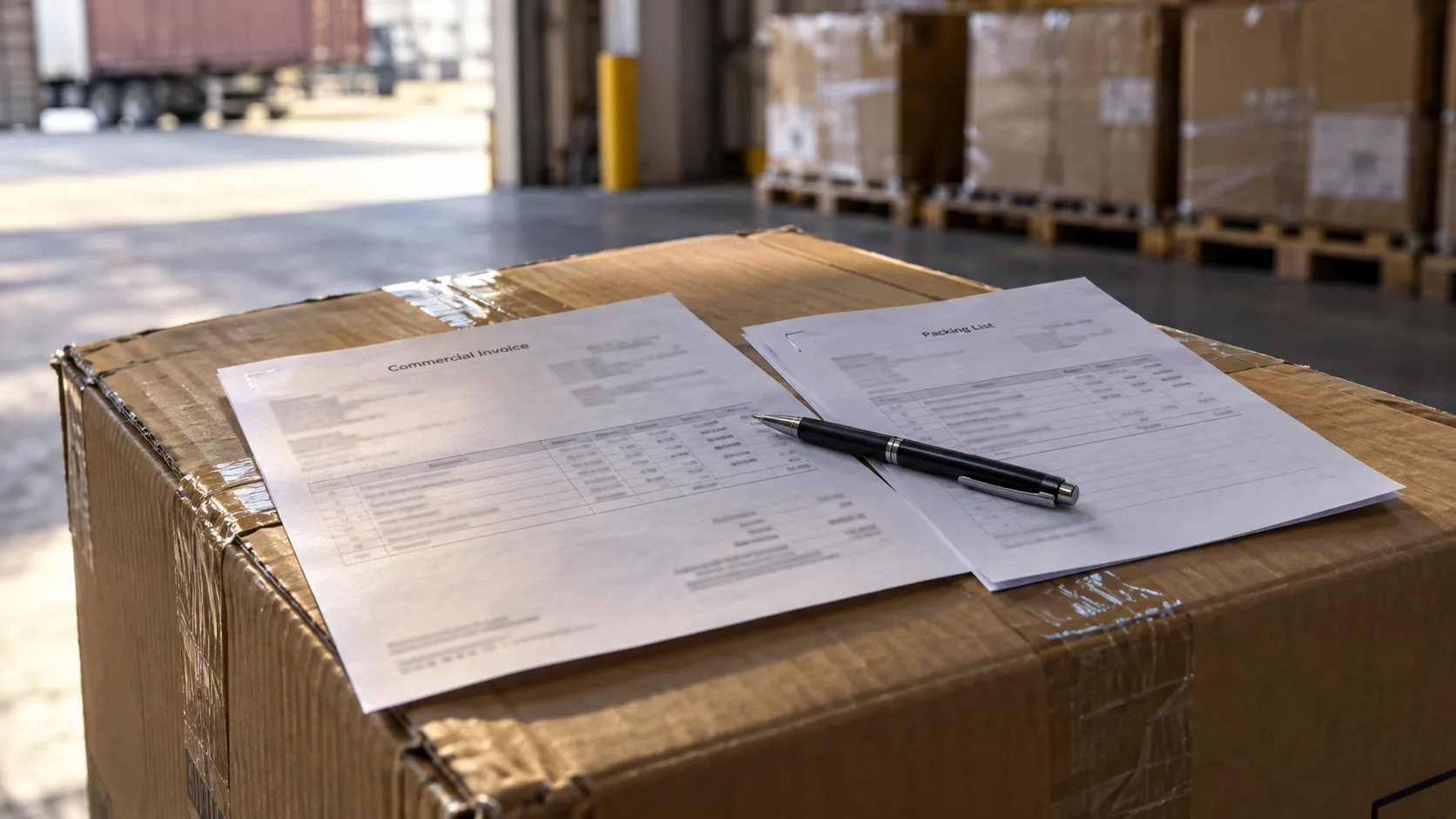
The commercial invoice says what the shipment is worth. The packing list says how it’s stowed. The B/L says who can collect it — and if that field is wrong, it doesn’t matter how perfect everything else is.
It’s also the document most people sign without reading, because “the carrier issues it”. The carrier issues it with the data you or your supplier gave them.
Three things a B/L is at once
Understanding this explains why it behaves the way it does:
- A contract of carriage between the shipper and the carrier.
- A receipt proving the carrier took those goods, in that quantity and in that condition.
- A document of title. Whoever holds the original B/L has the right to claim the cargo.
That third function is what makes it delicate. A lost original isn’t a sheet you reprint: it’s a right over your container.
The fields, one by one
Shipper. Whoever hands the goods to the carrier. Normally your supplier.
Consignee. The most important field. This is who the cargo is consigned to and who can claim it. If it names your company, you claim it. It can also read “to order”, in which case the cargo releases to whoever holds the endorsed original.
Notify party. Who the carrier notifies when the vessel arrives. It grants no rights over the cargo, only notice. Usually your customs broker.
Carrier and vessel/voyage. Who carries it and on what.
Port of loading / port of discharge. Where the cargo goes on and comes off.
Place of receipt / place of delivery. These can differ from the ports when the service includes inland legs.
Description of goods. Normally shorter than the invoice description, but it cannot contradict it.
Marks and numbers. The markings on the packages, so they can be identified physically.
Container and seal. Container number and seal number. Both are checked against the container that arrives.
Gross weight and measurement. Cross-checked against the packing list and the actual weight.
Freight prepaid / freight collect. Whether freight was paid at origin or is charged at destination. It follows the Incoterm you agreed, and getting it wrong is an expensive surprise at release.
Number of originals issued. Usually three. It’s printed on the document.
Date of issue and “shipped on board”. The date the carrier confirms the goods were loaded. That’s the one that matters for deadlines and letters of credit.
Original, telex release and seaway bill
Three different ways to release cargo, and it’s worth knowing which one you have:
Original B/L. Issued on paper, normally as a set of three. To take the goods you must physically surrender an original at destination. If the original travels by courier and is delayed, the cargo waits — and storage and demurrage run regardless.
Telex release. The supplier surrenders the originals at origin and the carrier notifies destination that it can release without paper. It’s the most common mechanism once the goods are paid for.
Seaway bill or express release. Issued without negotiable originals. Fast, but it loses the title function: whoever is consigned collects, full stop. Useful where there’s trust or prepayment; useless when the B/L is your payment security.
The practical rule: if you haven’t been paid or haven’t paid, the original matters. If it’s settled, telex release avoids waiting.
House B/L and Master B/L
When you ship with a forwarder or an NVOCC there are two documents:
- The Master B/L (MBL) is issued by the ocean carrier, running from the origin forwarder to the destination forwarder.
- The House B/L (HBL) is issued by the forwarder, and it’s the one that runs from your supplier to you.
You normally operate on the House. It matters because your contract is with whoever issued your B/L: if something goes wrong, you claim against the party that signed your document, not the shipping line named on the Master.
What Mexican customs looks at
The B/L isn’t decorative paperwork for clearance:
- Its number is declared on the pedimento. It’s the link between the physical shipment and the customs filing.
- The consignee must correspond to the importer. A B/L consigned to another company isn’t a detail: it’s a question of whose name the goods enter under.
- Manifests are transmitted electronically. Under the amended Customs Law Regulations, transport information arrives earlier and feeds the risk analysis behind your inspection lane.
- Everything has to square across B/L, invoice, packing list and entry. One weight or package discrepancy is a question; several are a review.
The draft: the window almost nobody uses
Before issuing the B/L, the carrier sends a draft for you to review. The window is usually a day or two.
That’s the cheap moment. Once issued, any correction is a manifest amendment: it’s charged, it takes time, and sometimes it needs authorization.
What to check on the draft, in this order:
- Consignee: exact legal name, as registered. No invented abbreviations.
- Notify: your customs broker’s details, complete.
- Container and seal numbers.
- Packages and gross weight, against the packing list.
- Description, not contradicting the invoice.
- Freight prepaid or collect, as agreed.
- Ports and dates.
The mistakes that cost most
- A misspelled consignee. A name that doesn’t match the registration forces a B/L correction before you can clear.
- Discovering “freight collect” on arrival, when you thought freight was included.
- Waiting on a couriered original with the cargo already at port. Every day counts.
- A generic description that doesn’t match the invoice and opens questions.
- A declared weight that differs from the real one. Beyond the paperwork problem, weight verification rules are taken seriously.
- Approving the draft without reading it because it landed on a Friday.
If any of this stops your cargo, the map in what to do when goods are held applies.
The B/L doesn’t travel alone
It’s the third piece of the shipping file, alongside the commercial invoice and the packing list. All three describe the same shipment from different angles, and their value is in agreeing with each other. The rest of the file is in documents required to import into Mexico.
At TradeWay
We check the B/L draft against the invoice and the packing list before it’s issued, and coordinate release so the original isn’t the reason your container waits. Freight, clearance, trucking and warehousing through one point of contact and one invoice. If your cargo is already sailing and you’re not sure how it’s consigned, get in touch.