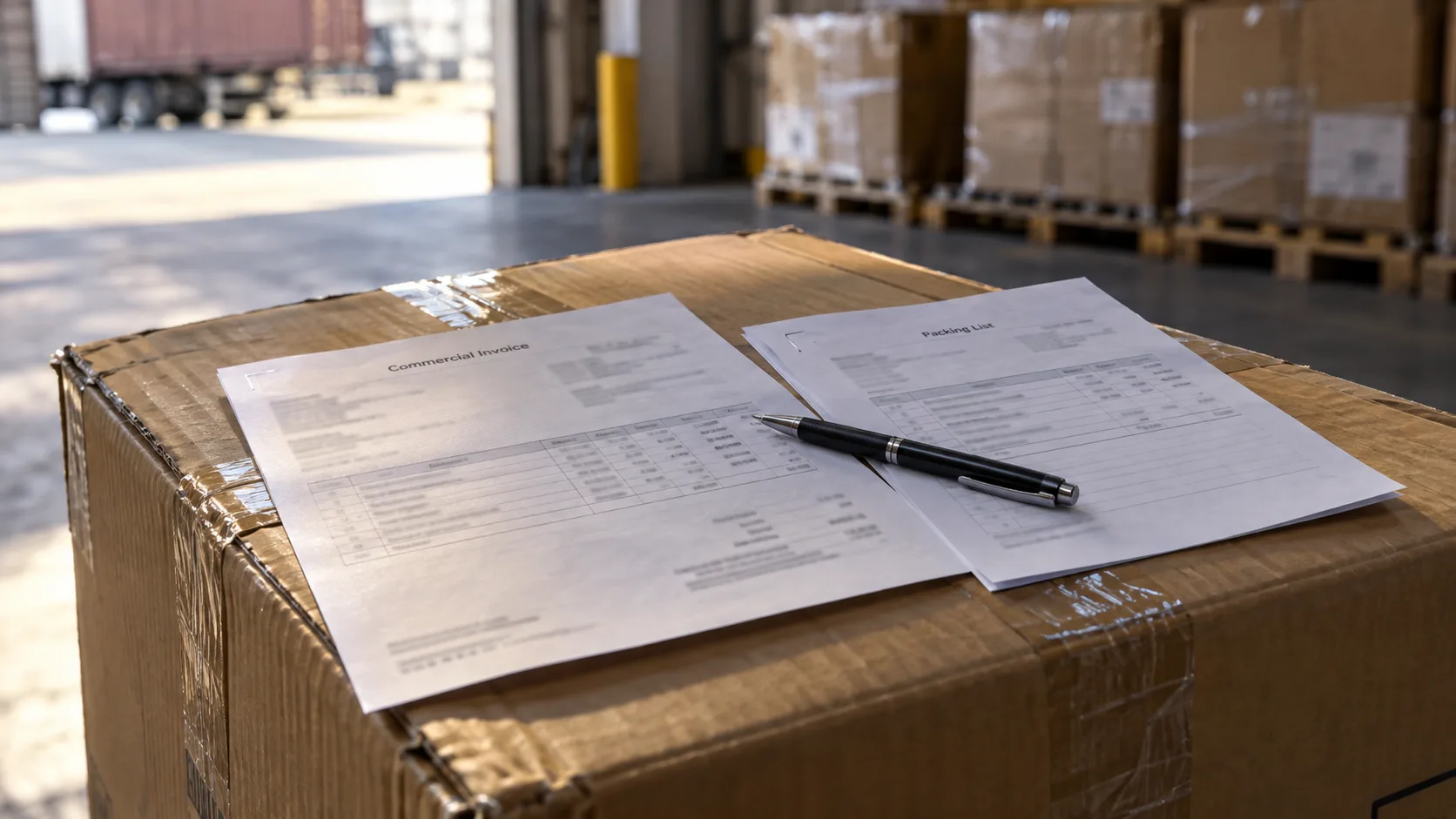

One of the most common surprises for first-time importers is discovering that “the tariff” isn’t all you pay. When you see the customs entry itemized, several acronyms show up — IGI, DTA, VAT, prevalidation — that together can weigh far more than the tariff itself. Understanding each item isn’t accounting trivia: it’s what lets you quote accurately, protect your margin and avoid nasty surprises at customs. Here’s the breakdown.
Free tool. You can now estimate the IGI, DTA, prevalidation and VAT of your customs entry with our import tax calculator, built on official data, no sign-up.
The starting point: the customs value
Almost every charge is calculated on the same base: the customs value, which is normally the transaction value (the price actually paid for the goods) plus certain additions such as freight and insurance to the point of entry, depending on the Incoterm agreed. If that base is poorly supported, everything downstream is contaminated — which is why the customs value declaration matters so much.
IGI — General Import Duty
This is what most people simply call “the tariff.” Its rate depends on your product’s tariff classification: it can range from 0% up to high percentages depending on the goods.
The big lever here is origin: with a treaty like the USMCA and a valid certificate of origin, many goods pay 0% IGI. Classifying correctly and using preferential treatment is often the single biggest saving in the whole operation.
DTA — Customs Processing Fee
This is the fee charged for processing the customs entry. For a definitive import it is generally calculated as a percentage of the customs value (around 8 per thousand, i.e. 0.8%), while certain operations — such as temporary ones — carry a fixed fee per entry. The rates and fees are updated by law, so it’s always worth confirming the value in force for the current year.
VAT — Value Added Tax
Import VAT is generally 16%. What matters is its calculation base: it doesn’t apply only to the value of the goods, but to the customs value plus the IGI, the DTA and any other applicable charges. In other words, VAT is calculated “on top of everything above,” which usually makes it the largest single item on the entry.
Good news for companies: import VAT is normally creditable, just like the VAT on any other purchase, provided the operation is properly documented in your company’s name.
The items that sometimes appear
- Prevalidation: a fee (a fixed amount per entry) for the electronic validation of the data before it’s filed with customs. It’s small, but it’s always there.
- IEPS: the Special Tax on Production and Services applies only to specific goods (fuels, alcoholic beverages, tobacco, among others). If your product isn’t on that list, you don’t pay it.
- Antidumping duties: if your goods are subject to an antidumping measure, it’s added separately and can be very high. Worth checking before you buy.
How it all adds up in practice
On the customs entry the order is cumulative: you start from the customs value, calculate the IGI based on the classification, add the DTA, and apply VAT on that whole set; prevalidation and, where applicable, IEPS or antidumping duties come in where they belong. The result is the real cost of importing, which is almost always well above the purchase price. On top of that come the clearance fees and logistics services — and that’s where many companies lose visibility, because each item arrives from a different direction.
At TradeWay
The expensive mistake isn’t paying taxes: it’s quoting without them and discovering the real cost once the goods are already at port. Because we integrate forwarding, customs clearance and consulting under a single point of contact, we give you the full number from the start:
- End-to-end costing before you buy: IGI by classification, DTA, VAT, prevalidation and any applicable duty.
- Legal IGI optimization via origin and preferential treatment when your goods qualify.
- A single invoice consolidating taxes, clearance and logistics — no surprises, no loose items.
If you want to know what it would really cost to bring in your product, get in touch and we’ll build the full costing for you.