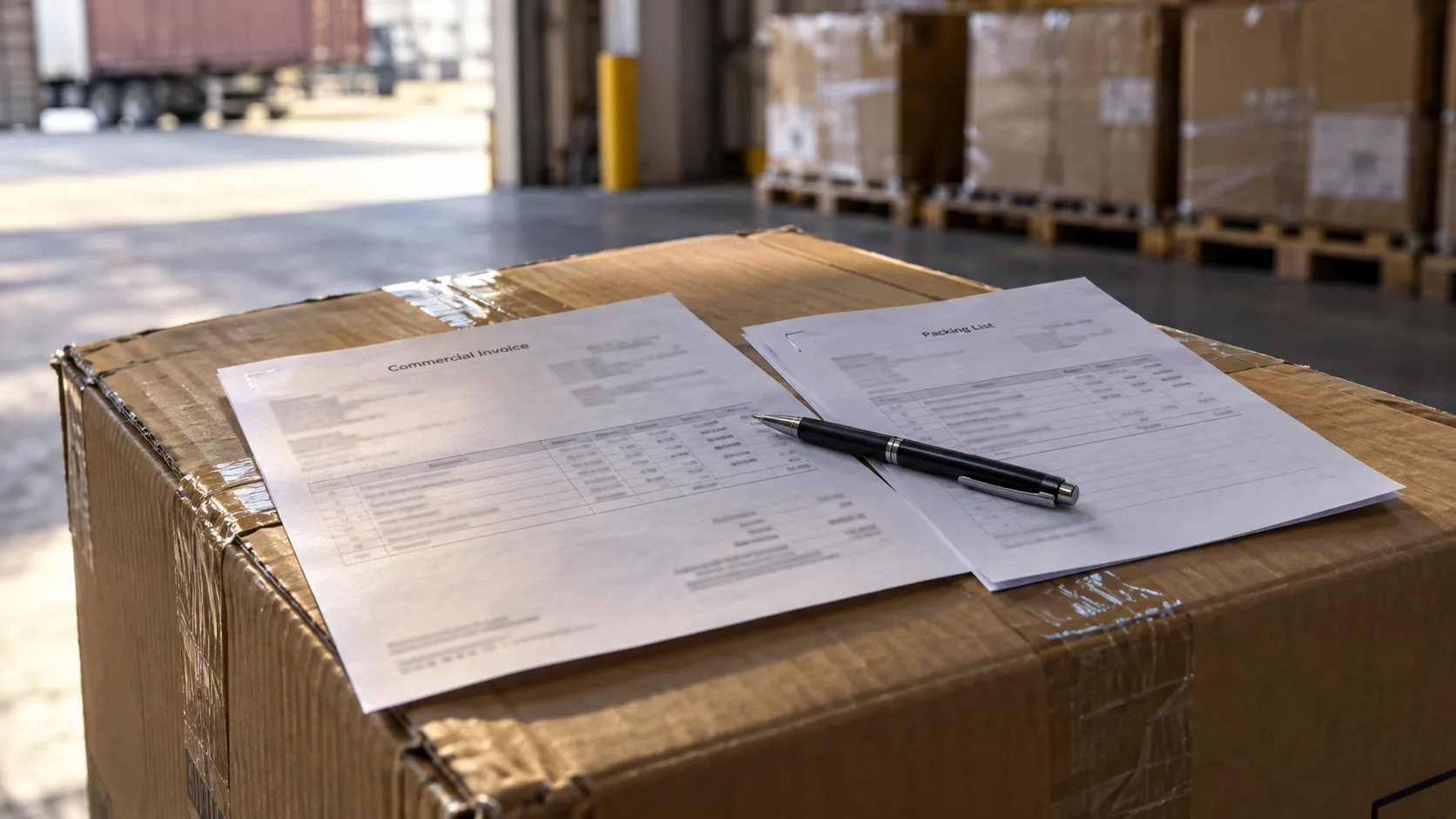

The goods have cleared Mexican customs, they’re in your warehouse and they’ve probably been sold. For most companies, that’s the end of the import.
For the Mexican tax authority, it isn’t. A pedimento (the Mexican customs entry) stays open to scrutiny long after clearance, and three procedures can reopen it: the glosa, the rectificación (amendment) and the pedimento complementario (complementary entry). They get confused constantly because all three happen after clearance and all three can end in a payment. Otherwise they have little in common.
The fastest way to tell them apart is one question: who moves first?
- In a glosa, the authority moves.
- In an amendment, you move, because something was declared wrong.
- In a complementary entry, you move, because something happened later that the law requires you to declare.
Glosa: the authority reviews what you already cleared
The glosa is SAT’s post-clearance documentary review of pedimentos and their supporting documents. It doesn’t happen at the inspection lane or in front of the cargo. It happens at a desk, with the pedimento, the invoice, the customs value declaration, the certificates of origin and whatever was filed through VUCEM, Mexico’s single trade window.
It checks that everything adds up: correct classification, a supported customs value, backed-up preferential treatment, regulations met, duties and taxes correctly calculated. It increasingly relies on electronic data cross-checks, so an inconsistency nobody noticed at clearance can surface months later.
Three things worth knowing:
- A green light doesn’t mean the entry was reviewed. The red/green selection decides whether goods are inspected at clearance; the glosa is a separate, later, paper-based review.
- You don’t request it and you don’t see it coming. You find out when there’s already a finding: an information request, a notice of irregularities, or the start of a broader audit.
- The outcome can be expensive. Unpaid duties and taxes with inflation adjustments and surcharges, penalties and, depending on the case, consequences for your importer registry. If the finding is about value, it falls under what we cover in undervaluation and SAT enforcement.
A glosa isn’t something you file. It’s something that happens to you. The only thing you control is the state of your file when it arrives.
Amendment (rectificación): you correct a wrongly declared field
An amendment is a new pedimento that corrects an earlier one. Your customs broker transmits it when a field turns out not to match reality: a description, a quantity, a value missing dutiable costs, a tariff classification, a program identifier.
We cover it in depth in amending a customs entry in Mexico: which fields can be corrected, what it costs and when it’s no longer possible. For this comparison, the short version:
- The original data was wrong from the start. That’s what separates it from a complementary entry.
- Not every field can be amended the same way. Some are limited in the number of times, in time, or need authorization. The current rules decide each case.
- Getting there before the authority changes everything. A voluntary amendment is a correction; the same error found in a glosa is a finding.
If you’re still at the stage of spotting errors, the most frequent ones are listed in common pedimento errors.
Complementary pedimento: you declare something that happened later
A complementary pedimento is filed to declare and pay differences arising from an event after the original entry, in the situations that Mexican customs law and the General Foreign Trade Rules (RGCE) expressly provide for.
The difference from an amendment is conceptual, and it’s the one most often missed: with a complementary entry, the original pedimento wasn’t wrong. It was declared correctly with the information available at the time. What changed is something later that creates an additional obligation.
Typical situations, stated in general terms:
- Later value adjustments, when the agreed price changes or costs become known and are paid after clearance, in the cases where the rules treat it as a complementary entry rather than an amendment.
- Returns of temporarily imported goods, for example under IMMEX, when a trade agreement such as the USMCA restricts duty deferral on non-originating inputs and requires the duty to be determined and paid when the finished product is exported.
- Other specific situations that the rules add or adjust over time.
Each type of pedimento has its own document code, and the right one for your case depends on the exact situation. We deliberately don’t list them: they change, and a wrong code is itself a pedimento error. Always confirm against the current RGCE and annexes published in Mexico’s official gazette, the DOF.
Side-by-side
| Glosa | Amendment | Complementary pedimento | |
|---|---|---|---|
| Who starts it | The authority (SAT) | The importer or exporter, through their customs broker | The importer or exporter, through their customs broker |
| When | After clearance, without notice | When a wrongly declared field is detected, within what the rules allow | When the later event provided for in the rules occurs |
| What for | Verify that the entry and its support add up | Correct a field that was wrong from the start | Declare and pay a difference that arose later |
| Was the original wrong? | That’s what it checks | Yes | Not necessarily |
| Main risk | Unpaid duties, penalties and broader audits | Paying differences with adjustments; hitting the amendment limits | Not filing it: what you don’t declare can surface in a glosa |
The last column is the one people forget: a complementary entry you don’t file doesn’t go away. It becomes the difference the glosa will find.
Which one applies: five scenarios
1. Reviewing the pedimento, you find the description or quantity doesn’t match what you received. Amendment. The field was wrong at clearance. Do it before anyone else notices.
2. Months later, your supplier issues a debit note because the final price came in above the invoice. It depends on the situation: the applicable rule decides whether it’s handled as a value amendment or a complementary entry. Letting it slide isn’t an option. The gap between what you paid and what you declared is exactly what value cross-checks look for.
3. You’re an IMMEX company and exported finished goods to the US or Canada using non-originating inputs imported temporarily. Most likely a complementary entry, because of the agreement’s restriction on duty deferral. Your Annex 24 inventory control is what lets you calculate it correctly.
4. You received an information request or a notice of irregularities about past imports. That’s a glosa, or something that came out of one. Don’t amend on your own by reflex: once a procedure has started, correcting may not have the effect you expect. Respond with the file, on time and with advice. If the goods are still at customs and have been seized, it’s a different scenario: PAMA and customs seizure.
5. An internal review shows you didn’t add freight to the customs value on several entries. Voluntary amendment, entry by entry. Costly in money, cheap in consequences compared with a glosa finding it.
What they have in common
All three reward the same thing: a file organized by entry, where each pedimento has its invoice, value declaration, proof of payment, origin support and inventory record at hand. With that, an amendment is decided in an afternoon, a complementary entry is calculated without rebuilding anything, and a glosa is answered with documents rather than explanations.
Without it, any of the three turns into an investigation of your own operation. The starting point for that review is knowing how to read a Mexican pedimento.
At TradeWay
We run clearance, freight and bonded warehousing as one service, with one point of contact and one invoice, and hand you every pedimento with its complete file. If you operate under IMMEX or PROSEC, we review with you which returns or adjustments may trigger a complementary entry before they become a finding. If you’ve received a request from SAT or want your recent imports reviewed, get in touch.