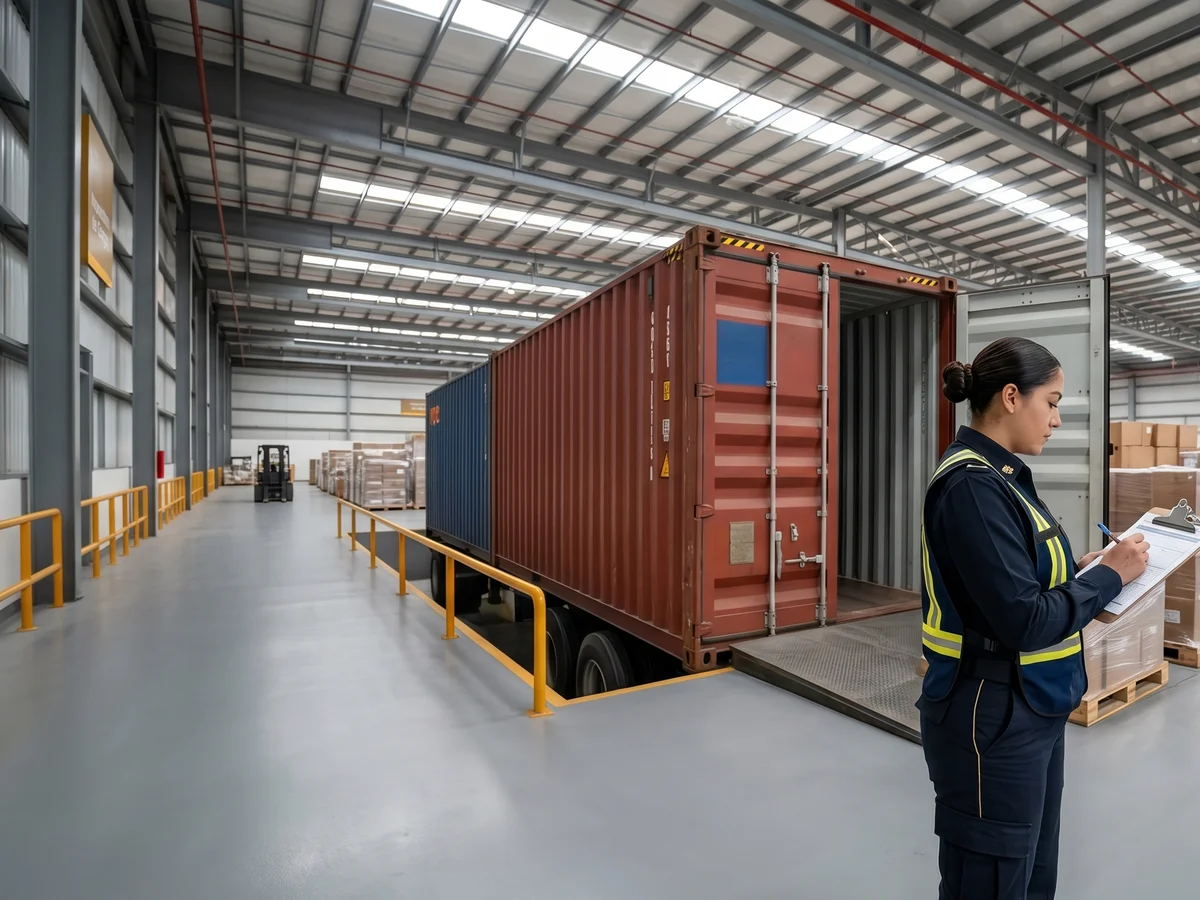
When someone says “my product needs a NOM”, they may be talking about two completely different things. And the difference between them is the difference between a one-day problem and a two-month one.
We’ve already covered NOM labeling standards: what the label must say, which ones apply to which products. This article is the step before, the one almost nobody explains: which type of NOM you’re facing, and why that changes everything.
The two families
Commercial information NOMs. These govern what the label says: product name in Spanish, country of origin, importer details, net content, composition, care or use instructions. They don’t judge whether the product is good or safe. They judge whether it’s disclosed.
Product NOMs. These govern the product itself: electrical safety, performance, emissions, durability. They require the product to have been tested in an accredited laboratory and certified by a certification body approved by Mexico’s Ministry of Economy.
The distinction that matters, in one line:
A labeling failure is fixed by applying labels. A certification failure isn’t fixed at the border: it’s fixed months earlier, or not at all.
Why this catches so many people out
Because some standards are both at once.
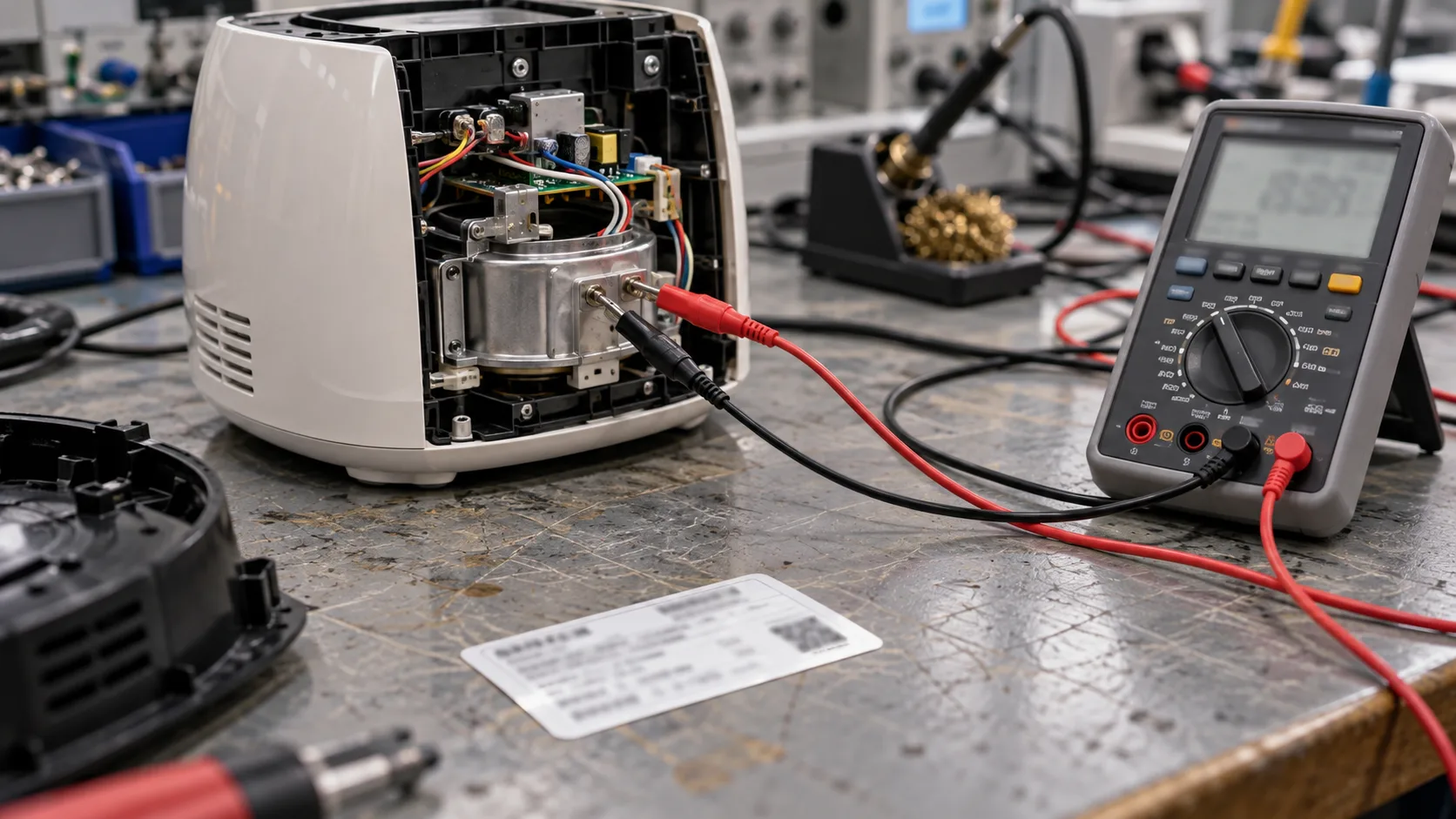
The classic case is electrical and electronic goods. The standard requires a label with voltage, frequency, power rating and importer details — that’s commercial information — and also a certificate proving that model passed safety testing in an accredited laboratory.
The importer who only read the labeling part has beautiful labels printed, and at customs they’re asked for the certificate. No sticker saves that shipment.
It’s one of the most expensive mistakes in consumer goods importing: chargers, lamps, small appliances, office equipment.
How to find out which one applies, before you buy
NOMs don’t apply to products “in general”: they apply by tariff line. Mexico’s Ministry of Economy publishes an agreement identifying which tariff lines are subject to which standards, and that agreement is amended during the year.
Three steps, in this order:
- Classify correctly. Everything depends on the tariff line. A wrong classification gives you the wrong list of NOMs, and you’ll find out late.
- Check which standard the line flags. In our duty calculator you can see, for a tariff line, which NOM the tariff flags and with what qualifier — some standards apply to the whole line and others only to certain cases within it.
- Find out which type that standard is. If it’s commercial information, you plan labels. If it’s a product standard, you plan certification, and that changes your purchasing calendar entirely.
The qualifier in step 2 matters more than it looks: many standards don’t cover an entire tariff line, only certain products within it. That’s why the real answer is rarely “yes” or “no”, but “it depends on exactly what your goods are”.
The four ways to comply with labeling
If yours is commercial information, there’s more than one route and they don’t all cost the same:
1. Labeling at origin. The goods arrive already labeled from the factory. It’s the cheapest option and the fastest at customs. It requires your supplier to get it right, which means sending them the artwork and reviewing it before production.
2. A certificate from an Inspection Unit. An accredited unit verifies the labeling and issues the certificate presented at clearance.
3. Labeling in a general deposit warehouse. The goods enter bonded warehousing and are labeled there before being released to the domestic market. Useful when they arrived unlabeled and you don’t want to send them back, but it adds storage and handling.
4. Labeling at your own premises. You label at your own facilities, under verification by an inspection unit. It’s the convenient option, but it’s reserved for importers with a track record: you must be on the importer registry for a minimum period, evidence a minimum volume of prior imports, attach the contract with the inspection unit, and finish labeling within the authorized window.
The exact requirements and deadlines for each route do get adjusted; confirm the current version before building a process on top of one of them.
And if yours is a product NOM
The path is different and longer:
- Samples to an accredited laboratory for the testing the standard requires.
- Certification through an accredited body, which issues the product certificate.
- Certification is by model or family, not by shipment. Changing model can mean starting over.
- The certificate has a validity period and usually requires surveillance.
All of this happens before the goods leave origin. Which is why “does my product need a NOM?” has to be asked while you’re quoting with the supplier, not once the container is on the water.
One detail that helps: importing samples intended to obtain the certificate has its own treatment, separate from commercial importing. The intended use of that sample is declared under oath. See also samples with no commercial value.
When it doesn’t apply
Not every import carries NOM obligations:
- Goods not destined for the final consumer in Mexico.
- Temporary imports under programs such as IMMEX, where the goods aren’t sold in Mexico.
- Samples in the cases provided for.
These are narrow exceptions with their own requirements. Assuming they apply to you without checking is the fast route to cargo sitting in a bonded facility.
If you’re held over a NOM
Where the failure is omitted or inaccurate commercial information, the law offers a way out: evidence compliance within a set period after the record is served, and pay the corresponding fine. Not free, but the goods aren’t lost.
Where the product certificate is missing, there’s no equivalent exit: without the certificate the import doesn’t proceed, and the options narrow to certifying — weeks or months with the cargo stopped — or sending it back.
In both cases storage and demurrage run while it resolves. The full map is in goods held at Mexican customs.
The summary
| Commercial information NOM | Product NOM | |
|---|---|---|
| What it governs | What the label says | The product itself |
| What it requires | A label with mandatory data | Lab testing and a certificate |
| When it’s resolved | Before or during clearance | Weeks or months before buying |
| If you arrive without it | Label, or evidence and pay a fine | No clearance: certify or return |
| Scope | Per shipment | Per model or family |
At TradeWay
We check which NOM your tariff line flags before quoting the shipment, work out whether it’s labeling or certification, and where it’s labeling we coordinate the least costly route. One point of contact and one invoice for classification, clearance, transport and warehousing. If you’re about to close a purchase and don’t know what you’ll be asked for, get in touch before paying the deposit.